

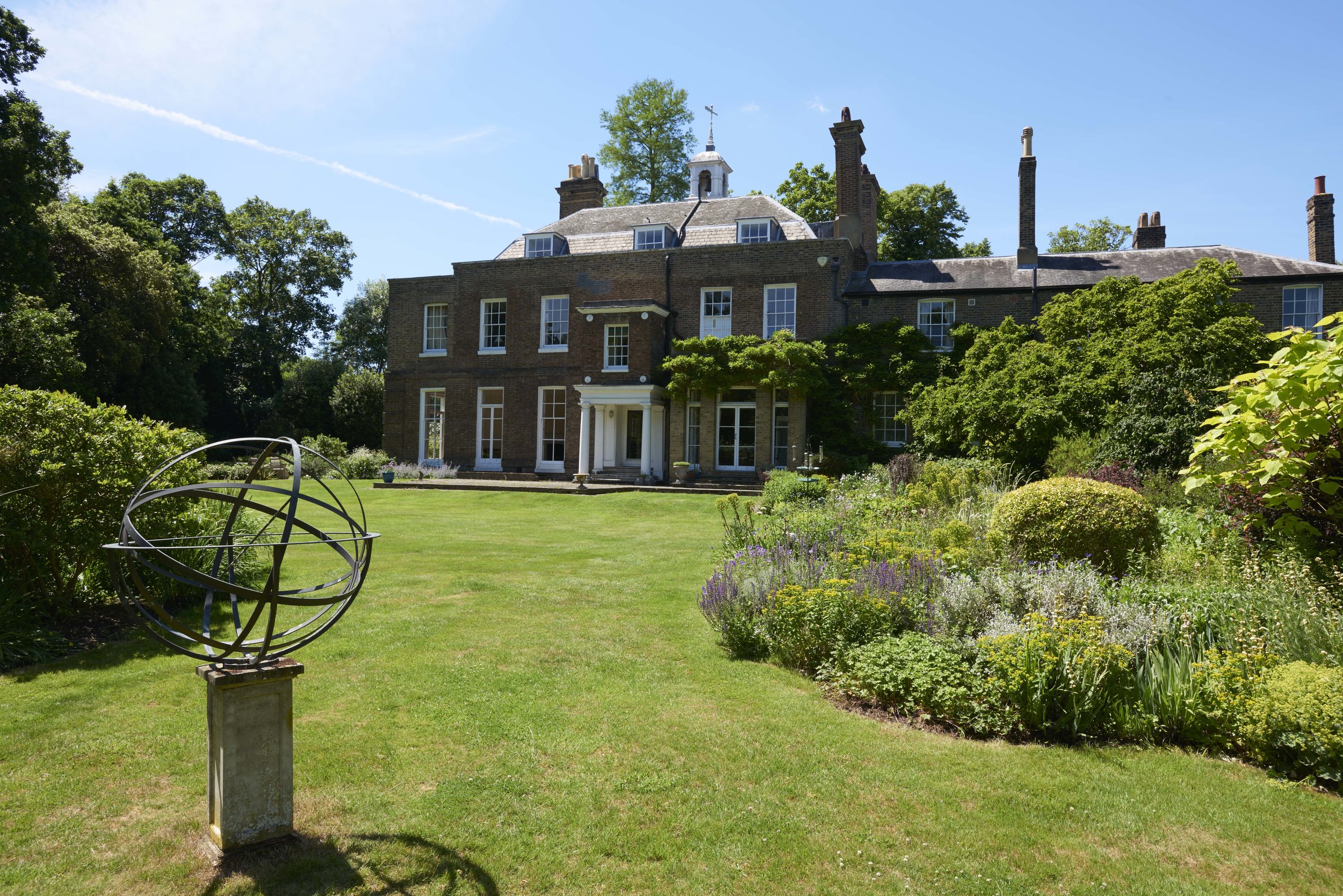
Georgian gardens were for showing off. Gardening was an illustration of your taste and status, and merchants like Thomas Wright aimed to copy, in miniature form, the larger estates of the landed gentry.
Read moreBell House Gardening : Rural Retreat, the History of Bell House's Garden
When Thomas Wright built Bell House in 1767, the garden was extremely important to him: it was a symbol of his wealth and status but it was also a refuge from his busy life as a City merchant.
Read moreBell House Gardening : Wellbeing
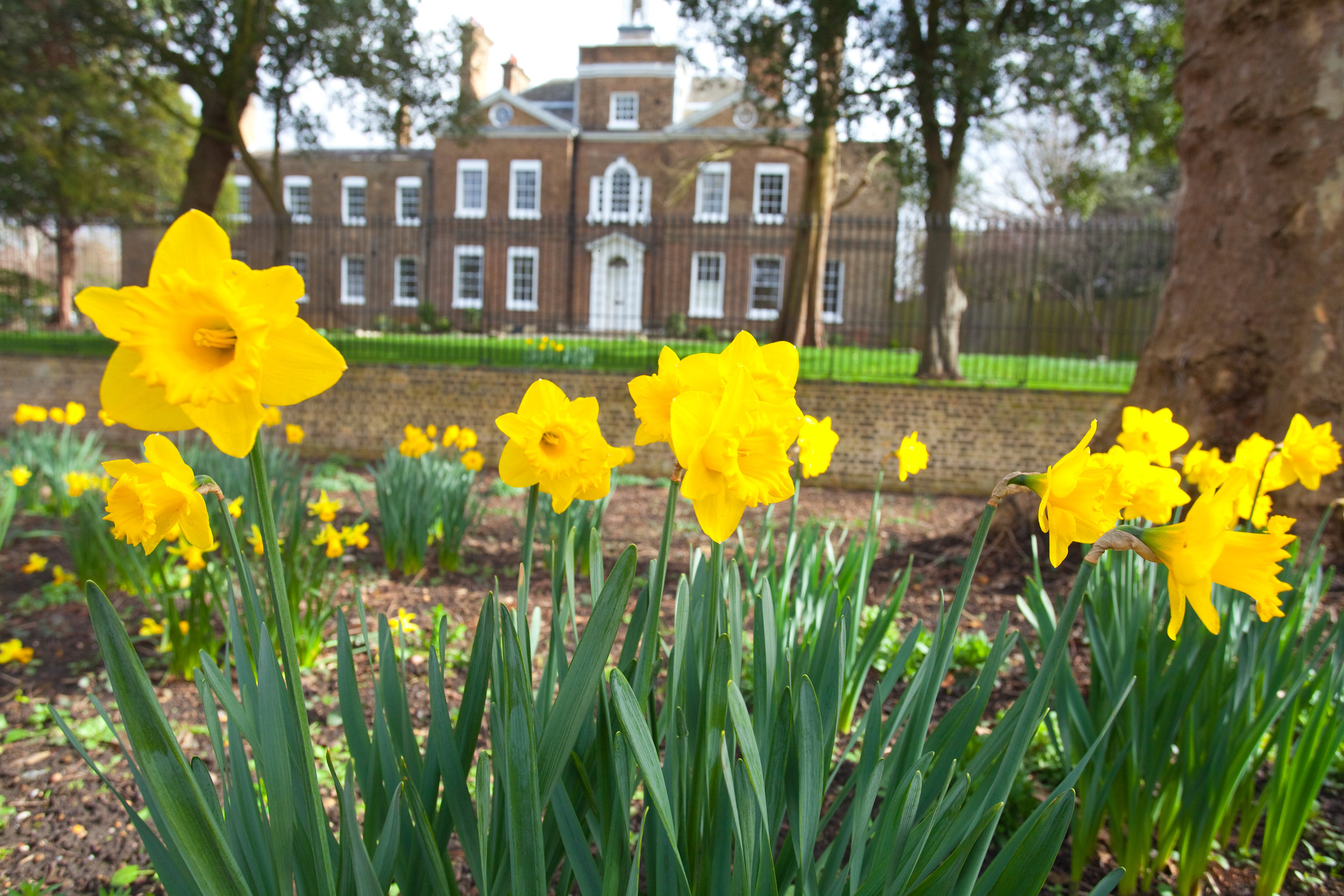
Gardens are wonderful for helping us all to feel happier and more relaxed. Simply being in a garden can alleviate stress and anxiety. Gardening as a physical activity releases endorphins, helping us to feel good about ourselves. From a pot-plant to a window-box, to the Bell House garden, being next to nature is good for us.
Read moreBell House Gardening : the Edible Garden

To celebrate Edible Britain, this year’s theme for National Gardening Week, Bell House are thinking all things vegetable.
The winter cabbages and garlic planted in the winter will soon be ready to harvest, the broad beans are flowering ready to produce their pods. We’ve earthed up the early crop potatoes and have seen our first asparagus tips appear. Rhubarb was picked and used in Zita’s cookery course on Sunday and the banana plant has emerged from behind its winter fleece.

The lettuces and newly planted herbs are growing away and in the greenhouse, broccoli, coriander and sunflowers will wait until the last frosts are over. Our volunteers are growing cucumbers, courgettes, pumpkins, radish, beans, carrots, peppers, tomatoes and chillis on their window sills and these will come into the garden soon to grow on in the beds or spend the summer in the greenhouse.

In the summer we plan to finish our Wednesday morning sessions with lunch from the garden. We’ll use our produce for cooking courses held at Bell House, and provide the house team and volunteers with fresh herbs and seasonal veg, much like the original Georgian and Victorian gardens, three times the size.
We garden every Saturday and Wednesday from 9.30 to 11.30. New volunteers are always welcome, from beginners to experienced gardeners and every level in between. Some of us are there regularly, others come when then can. Our aim is to be sociable, garden, learn new skills and promote wellbeing, all in our beautiful walled garden.

Photo credits - Sara Lloyd
Matt repairs the ha-ha

Having repaired the beautiful Georgian wall that divides Bell House from College Road, Matt has returned to work on one of the last surviving ha-has in London. Built in 1767, it was designed to protect the garden from passing livestock (sheep and cattle were driven along College Road to market in London). The name ha-ha is thought to derive from the expression of surprise as people discovered what they thought was uninterrupted grass was actually a hidden wall. Unlike a fence it is invisible from Bell House, leaving views which would have stretched for miles in Georgian times.


Working outside in this hot weather brings its own issues. Matt must ensure that the traditional lime mortar he uses (its flexibility helps protect the brickwork from future damage) does not dry out too quickly. Lime mortar gains its strength, in part, from carbonation: the absorption of carbon dioxide from the atmosphere.
Just because a mortar is dry does not mean that it has carbonated and if the pointing dries before enough carbonation has taken place, the mortar will crack and weaken. So Matt has been starting work very early, spraying the brickwork with water to slow down the process, and finishing before the heat of the day affects the mortar. Come past Bell House around 7am and he will already be at work. Luckily because he is a traditional craftsman, working only with his hands, there are no intrusive noises to disturb the neighbours. Once Matt has worked his way along the ha-ha he will work back again, replacing any missing bricks.
The retaining walls of the ha-ha, which stretch towards the road and support the pavement outside Bell House, are buckled and need complete replacement. Together with Nicholas Garner, Matt has devised a structure that will support the load placed on the walls but also be visually sympathetic to the location. A hidden metal and concrete structure will be faced with recycled Georgian bricks.
We hope that our commitment to repairing and maintaining Bell House in this sustainable and traditional manner will help preserve the house for the next 250 years of its history.

