Fragment of an envelope

A fragment of an envelope: how much could it tell you about where it was found or who it belonged to?

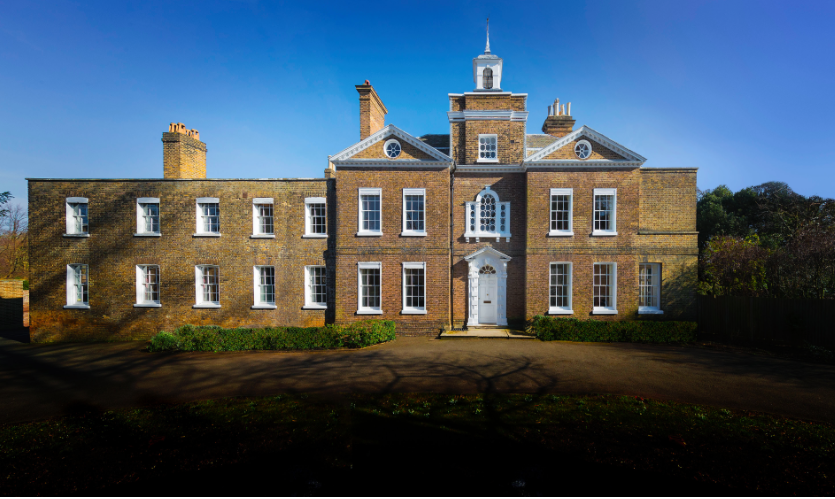
Andrew McLynn, chief craftsman, is renovating the Bell House windows using traditional techniques to restore them to their original splendour. While taking apart one of the box sashes, Andrew found part of an envelope stuffed inside the window frame, probably by someone repairing the window who needed to fill the gap and picked up some nearby wastepaper.

Printed on it are the words:

needs you…
Now with
extra pages
and only 85p!
If undelivered, please return to
Games Workshop
27/29 Sunbeam Road, London NW10 6JP

(characters in italics are our interpolations due to letters being missing or illegible)

envelope fragment 2of2.jpg

We can see that the envelope was posted by Games Workshop and it would almost certainly have carried their in-house magazine, White Dwarf, which at the time covered fantasy and science fiction role-playing games, in particular ‘Advanced Dungeons & Dragons’ (referred to as AD&D on the magazine cover below). White Dwarf increased its cover price to 85p in April 1984 so our envelope would have been sent out after that as it refers to the cover price being ‘only 85p’.

Games Workshop magazine.JPG

The envelope is addressed to A. Creed. He was a pupil at Dulwich College from 1984 to 1988. Boys at boarding at school would of course have their mail sent to their school address and it’s not surprising that one of them would want to read a magazine such as this one. Was Creed delighted to read his magazine on the day it arrived, or did he squirrel it away to enjoy at the weekend when he had more time? Perhaps he passed it around Bell House after he had read it, so that boys not lucky enough to have a subscription might also enjoy reading about the latest games.

We love finding fragments of history like this, and are very lucky to have our historian, Sharon O'Connor, around to investigate everything we find! Sharon has done SO much research on Bell House, and its residents, that we have two local history talks coming up based on her work. Events at Bell House have been selling out, so make sure you book soon before these tickets go!

Book tickets

"Study smarter, not harder" - Revision tips for dyslexic students

Screen Shot 2018-02-16 at 20.18.09.png

Do you learn best by listening? By reading? By looking at colours? By moving around as you learn? For many people, especially dyslexic children, the answer to this question could be the key to unlocking the secret to the most effective revision techniques. As Caroline Bateman explained to a room full of parents at Bell House Dulwich, the answer for everyone is different. We should embrace this, and use our individual learning styles to help the revision process. 

“Study smarter, not harder”. This really was the theme running throughout Caroline’s talk, as she steered a group of parents with dyslexic children towards a set of techniques that could help with revision. The group was made up of parents who had children of varying ages, which made for great discussion, and opportunities to learn from each other. 

Instead of reinventing the wheel, Caroline showed us easy ways to transform existing resources into effective and, dare I say it, fun ways to revise. For example, take a PowerPoint presentation used in the classroom. A pupil can turn this into a quiz, so they can test themselves on information they have just learnt. This is a relatively low-tech way to use resources which are already there, and make them more interactive. Caroline underlined the importance of self-testing; it’s the best way for children and teenagers to truly engage their brains, and assess what they have truly absorbed. And a great way to incentivise revision!

We also discussed a range of practical tips which are beautifully simple to implement. For example, fitting school folders with a small plastic wallet containing coloured pens, glue, hole-punch, and post-it notes. This saves time when revision rolls around, and kids know exactly where to find all their revision stationery. Seeing such an organised, well-equipped file made lots of us in the room at Bell House wish we had these tips when doing our own school exams!

At the end of the two hour session, all the parents left Bell House feeling reassured that revision is not impossible, and armed with a new portfolio of revision techniques to try with their children. Due to the fantastic response from this evening, Caroline Bateman will be repeating her talk at Bell House Dulwich on 20th March. Please visit bellhouse.co.uk/events for more information, or get tickets at: https://www.eventbrite.co.uk/e/parents-discover-how-to-support-your-childs-revision-tickets-43018171509

How to make films on your smartphone - seminar at Bell House

"The whole globe could become citizen film-makers" declared Cassius Rayner, as he spoke at Bell House about the power of using smartphones to create short films.  He's been impressed by what's happening in America, and in the film industry generally, where smart phones are enabling surprisingly high quality film-making.  A driving force for this is lower costs, and Cassius describes this as “accessible and affordable film-making".  For example, a rig to mount a smartphone with a good quality microphone and tripod could cost under £100. The group of us tried out various gadgets, attachments, lenses, and pistol-grip devices. Everyone loved the gimbal which keeps the smartphone steady, even when you are moving around.

Testing the Smooth-Q Gimbal

Testing the Smooth-Q Gimbal

Practical demonstration of equipment

Practical demonstration of equipment

Our group was a very mixed bunch with film-makers, photographers, charity publicists, a video-based start-up and people who are making the Bell House films. We watched clips that Cassius had made, and he demonstrated the techniques he uses. We also learnt how to fix the focus of the smartphone, how to increase the exposure and how best to get close-up pictures. Audio is critical, and a range of microphones were demonstrated. The main filming app Cassius personally uses is FilmicPro, which he demonstrated to the group. There are several other great filmmaking apps available of which a few were shown. Finally, we considered three editing app options recommended by Cassius.

One big advantage of making a film on your iPhone or Android smartphone is that when you go out filming in the street people don't ask what you are doing. Taking photos on smartphones is so common that people barely notice, whereas if you were using traditional equipment you can attract unwanted attention, “Smartphone filmmaking offers so much freedom to explore”. This medium is so exciting, it prompted Steven Soderbergh to come out of retirement and make a totally smartphone-based film, "Unsane" – to be released in March 2018.  Even film-makers using traditional methods are now often using smartphones to do a low cost dry-run.  The quality of smartphone films and amount of cost saving kits available is making the success of smartphone filming inevitable.

"Corporates are not up to speed with this yet, so I've mainly been working with charities, but once they see the quality they don't worry at all," says Cassius Rayner, a pioneer in teaching how to make the most of the camera in your pocket.  Cassius was demonstrating the attractions of his smartphone film-making workshops which are being held on Saturday 24th Feb and Saturday 24th March - these can be booked online.  These workshops will run from 10.30 to 4pm on Saturdays at Bell House and really teach you how to make your smartphone work for you.  For details please email [email protected] 

Cassius Rayner, multi-award winning filmmaker

Cassius Rayner, multi-award winning filmmaker