Creative Arts Club for older adults - Watercolour workshop

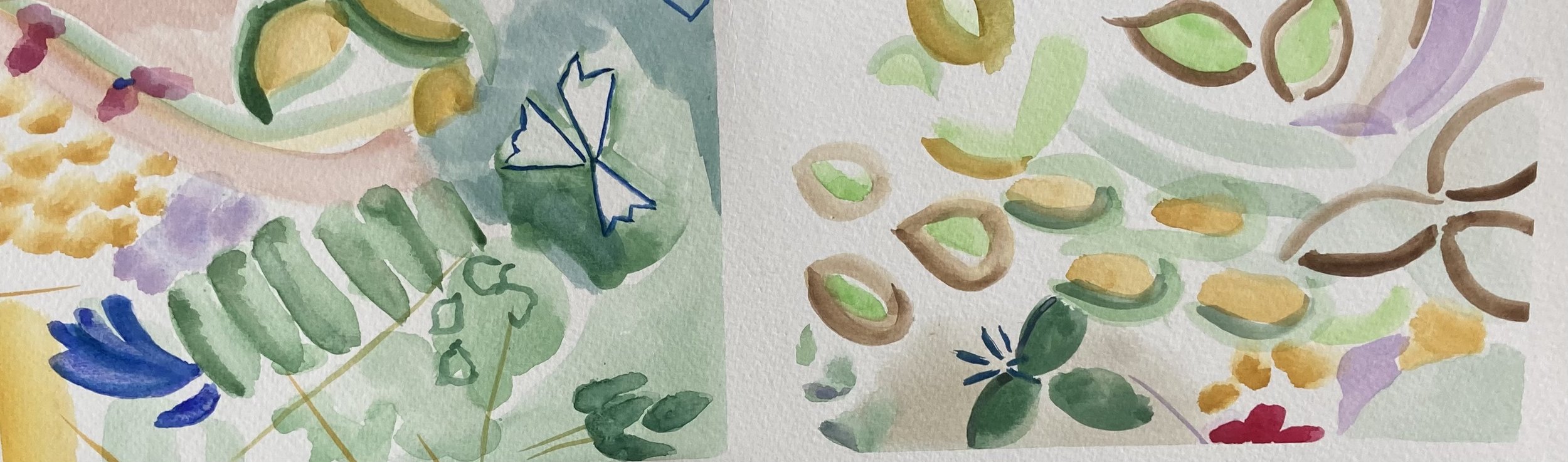
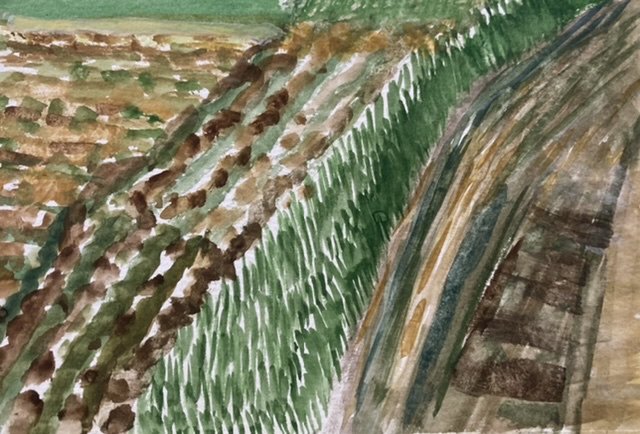
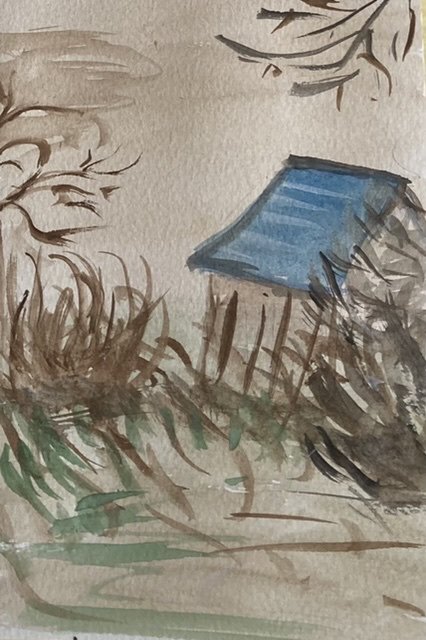
Sarah Wetherall ran another successful and happy 2 hour workshop on Friday 30th September - the second in a programme that will be run monthly. Many of the group were new to using watercolours and with Sarah’s inspired teaching everyone got stuck in with little hesitation.

She suggested we choose a painting from one of the books available and then take a small section and concentrate on this - to experiment with brush strokes and wetness and depth of colour. It meant that we could focus on the process rather than trying to copy the artwork. By doing this we learnt so much about how watercolour reacts on paper and what reactions we particularly liked and would want to use in any future paintings.

Look out for Sarah’s next class later this month.

Sarah’s work can we seen at www.clockworkstudios.co.uk

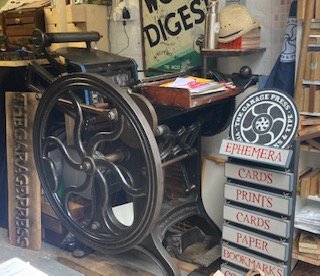
The Garage Press is now permanently based at Bell House - an interview with Simon Trewin, the owner.

Simon has now moved his extensive collection of presses and blocks - in fact “everything he owns” - into the garage block [once the old stables] at Bell House.

He fell in love with letter printing when at the age of 10 he accompanied his father - who was the then Literary Editor of The Times - to see the printing of the newspaper in Grays Inn Road. His first impression was of noise, mess and industry and yet out of this chaos appeared a clean newspaper - beautifully written and a font of knowledge and opinion. It caught his imagination.
He said he grew up believing he had a creative mind but was unable to put his ideas on paper. Years later, he was reminded again of the appeal to him of a printing press when he ‘had a go’ on the one his wife owned. He decided he must find a course. 
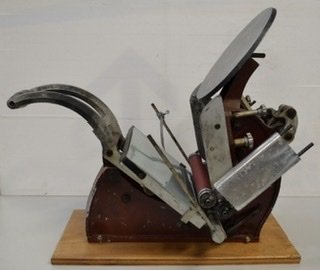
Simon found a course to learn how to use an Adana Press - the press that could be found in most schools, police and other official offices in the 1950’s. 

He remembers with pride his first attempt - he was hooked! He realised this was how he could ‘put his ideas’ on paper.

On the course he met a couple who were downsizing their studio and wanted to get rid of a large press - named ‘Gloria’. ‘Gloria’ has a wonderful history but suffice to say, in more recent years it was named after a lady called Gloria who owned a shop, ‘Unite and Type’. Simon met her and learnt she was selling up and needed to find a new home for the rest of her stock. 

Simon bought it all and moved it into a garage he owned. And so the Garage Press was born.

Simon says that the craft has enabled him to interpret his ideas. Now he knows that when he has an idea, he just has to sort out his mind because everything he needs to put it on paper is in his workshop.

Letter press was classified as an endangered craft by the Heritage Craft Associations and in the last 15 years, thankfully, Simon has seen a revival of the craft.  He will run courses at Bell House but he also recommends The London Centre of Book Art - which runs workshops and offers workspace. https://londonbookarts.org for anyone who’d like to have a more intensive introduction.

The Garage Press plans to integrate closely with Bell House - from printing signage (eg for the recent Dyslexia Fair), offering printing workshops (eg Xmas cards, info cards) and he is also planning to create inks from the plants in the garden.

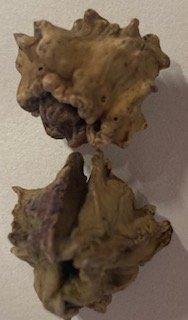
He is currently making an ink from ‘oak gall apples’ which he has collected from the garden’s oak trees. These ‘apples’ result when a wasp stings the oak tree bark and the tree reacts and so the growth appears. He is currently drying the apples and will then grind them. He will make a ‘medieval black ink’, used in the past for manuscripts. His challenge he says will be to make it thick enough to print with, otherwise it will be a watercolour ink. As Simon said “anything that stains can work”.

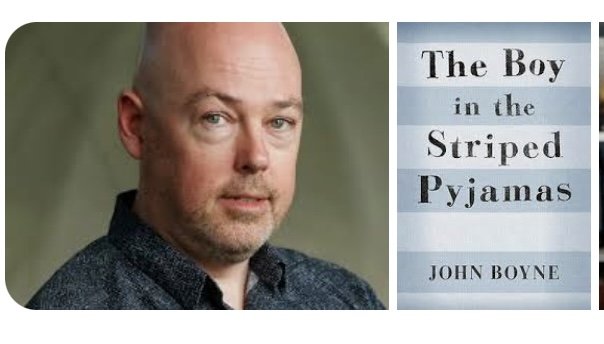
Simon by day is a Literary Agent. Because of his contacts he is able to source paper and inks - often donated by his suppliers for free. One of his long term authors he represents is John Boyle. His most famous book is “The boy in the striped pyjamas.”

John has accepted an invitation to come to the Garage Press as part of the promotion of his new book - “All the broken places”, a sequel to his most famous book. This is a private affair but Bell House will be there to report. Simon has kindly offered a signed first edition of John Boyne’s new book as a raffle prize. Details of which will be announced nearer the time.

The Garage Press is a wonderful addition to Bell House. Keep an eye on the coming events to see when he’s running his tasters. He is normally around on the days when there is an Open Garden and is often there on a Thursday if you are passing and would like to say hello.

Before signing off, here are two further points of interest Simon shared.

1. The terms UPPER and lower case are derived from the type shelves. The capital letters were at the top of the drawer. A good setter didn’t look at the shelf, he knew where everything was, rather like on a keyboard.

2. The phrase - ‘You’ve come a cropper’ - when someone got their finger caught in a WH Cropper press - ouch!

You can find out more about what Simon is printing via his instagram feed @thegaragepress

September News for Gardeners

As the first September leaves start to fall and the nights become cooler, let’s reflect on the garden activities over the hot and dry Summer months.

Over in the House Garden, the Bog Garden pond has fared well. It has been a hive of wildlife activity with Damselflies and Emperor Dragonflies being spotted. The latter is a very large, impressive dragonfly - males are pale blue, with an apple-green thorax and a black stripe running the length of the body. Females are similar, but a slightly duller greeny-blue. Both are spectacular. A fact I didn’t know is that Emperor Dragonflies are a characteristic dragonfly of new ponds and, for the first few years, the larvae may be extremely common (courtesy of The Wildlife Trust). Dragonfly larvae have been spotted in our pond, in addition to water boatmen and smooth newts!

Behind the Rose garden, the meadow area has been cut in sections over the last few weeks. This is a technique used to extend the growing season of a wildflower area in the following year. I’m looking forward to seeing the results next year. Some of you may also have been lucky to have seen the leaf-cutter bees in the insect houses in this area. Check to see if they are still there the next time you are in the garden.

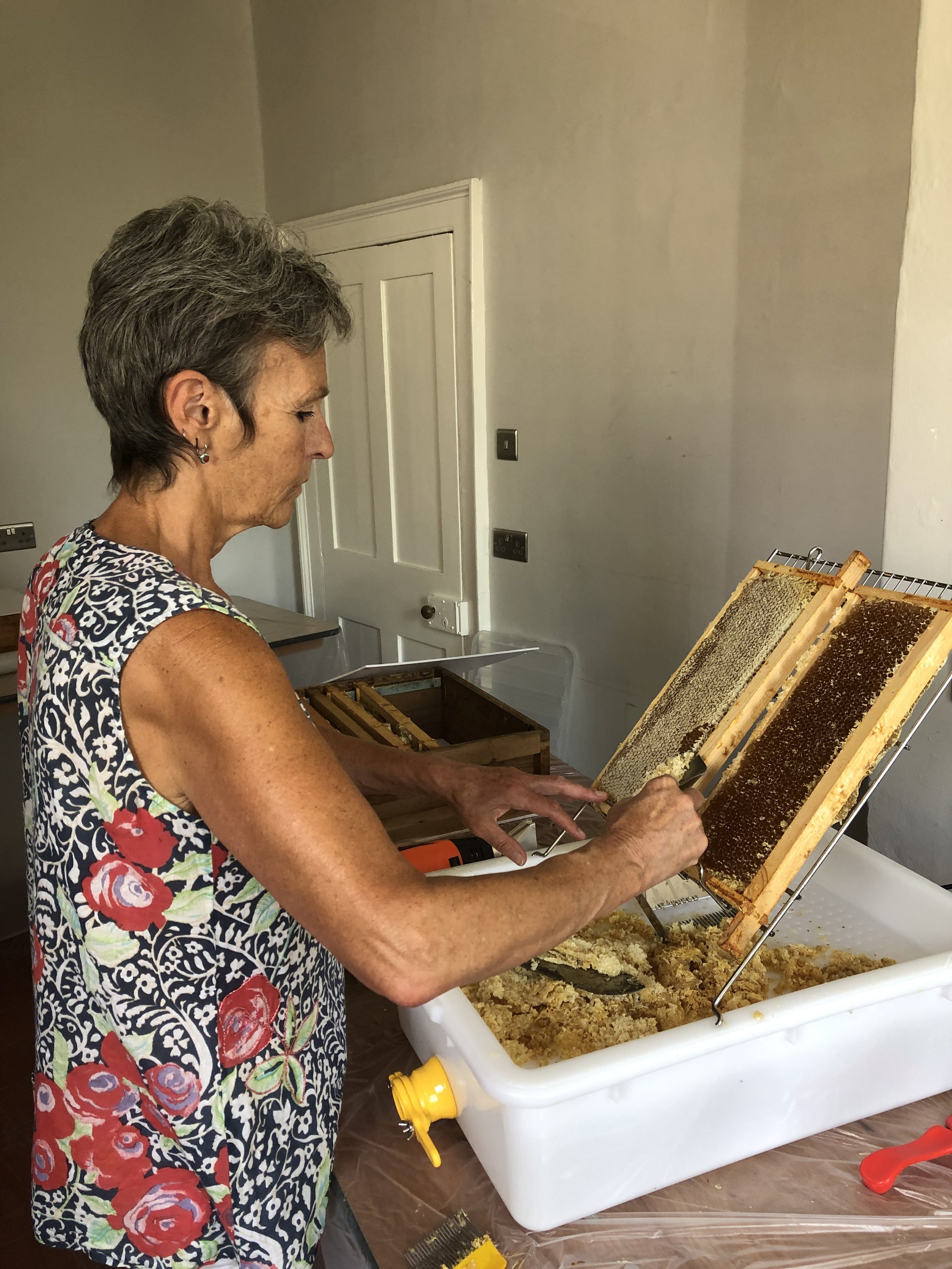
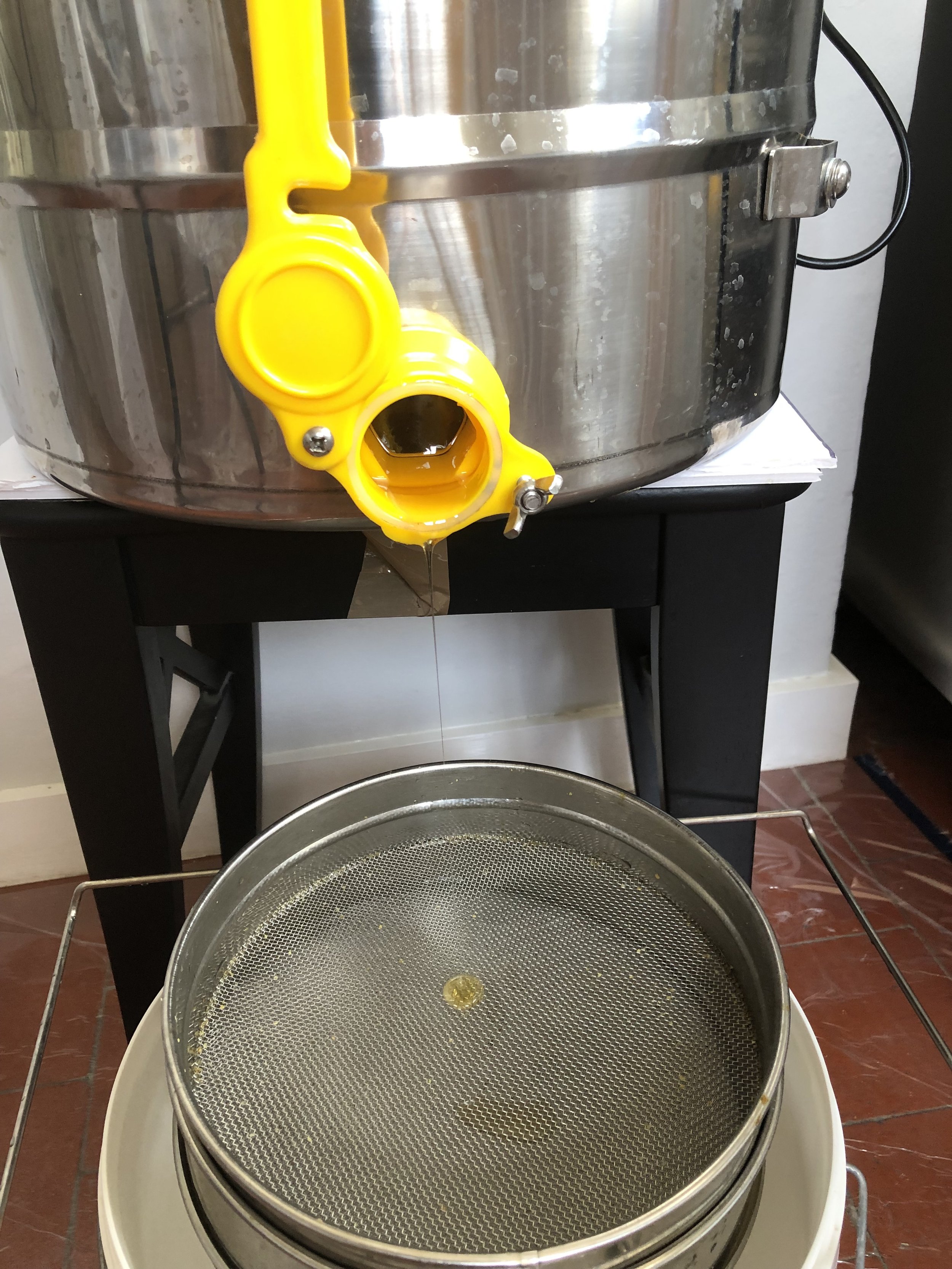
While we are on the subject of bees, Beekeeper Annie had a very busy week back in July with honey extraction in the Filmmaker kitchen. Here’s Annie removing the wax caps from the cells so that when the frames spin in the centrifuge the honey has an uninterrupted passage out of each cell and can be collected via a tap at the bottom of the centrifuge. It really is an amazing process.

Over in the Walled Garden, we have had plenty of produce over the Summer. Tomatoes and courgettes have done extremely well, as have our raspberries and beans and (for the first year I think) – aubergines 😊. We have also had success on the sweetcorn front and a special mention to the mashed potato squashes that are now coming thick and fast. There has been the odd “disappointment” and this year the winner has to be the white sprouting broccoli – all leaves and no actual broccoli heads!
Finally, the Walled Garden has given us a beautiful and colourful display of flowers this Summer. The poppies dominated in the earlier months but were soon followed by the towering verbenas and an abundance of nigella with the cosmos and rudbeckia following. Let us not forget our majestic sunflowers and exceptionally pretty morning glory and sweet peas. I am always excited to see what is blooming when I arrive in the garden.

We are very much looking forward to our Autumn time in the garden, and a big thanks to all of the hours and effort that everyone has put in over the Summer. The results are always worth it. 

With thanks to the Gaynor Hayburn author of the Gardeners’ newsletter

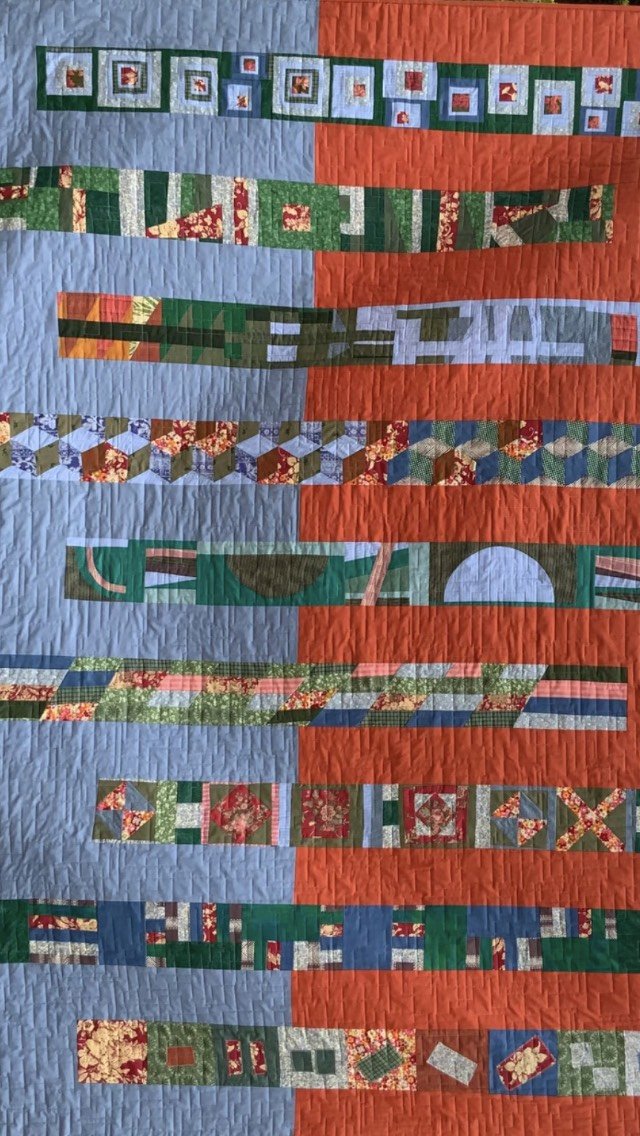
“Being Together” the QA’s first ever entry into the Festival of Quilts

Many of the group visited the Festival of Quilts last year and returned determined that they would exhibit their work in Birmingham one day. This week they completed their entry for the 2022 exhibition in August. Title ‘Being Together’  It is a big piece, it was a huge undertaking. Marianne and Janis were particularly pleased that this project was lead by members of the group.

Their sights are now focused on the quilt exhibition hosted by Dulwich Quilters to be held at Bell House in September. The Quilt Academy will exhibit work, run the tombola and contribute pieces to the sales room (this year raising funds for the Mind charity).

Quilt Academy is an all female group, age range 55-80 with most of us being retired with ideas and energy in abundance. There are 24 active participants and an additional 12 on the WhatsApp group who dip in when they can. A swift calculation I would say 10 ethnic groups are represented within our cohort.

The well-being, mindfulness and camaraderie are key to all that we do. The new stitchers receive formal tuition in the basic skills, more experienced members of the group are encouraged to develop and aspire to yet higher standards of both design and execution. Participants may work as an individual on a personal project or more commonly we can be found working on collaborative projects.

Also benefiting from our endeavours are the range of other groups who receive stitched pieces. Eg. Project Linus, Quilts for Care Leavers, Neonatal baby unit at Kings, Brixton Food Bank

Plus we endeavour to respond to initiatives - earlier in year the Afghan refugees and more recently those coming to the UK from Ukraine.

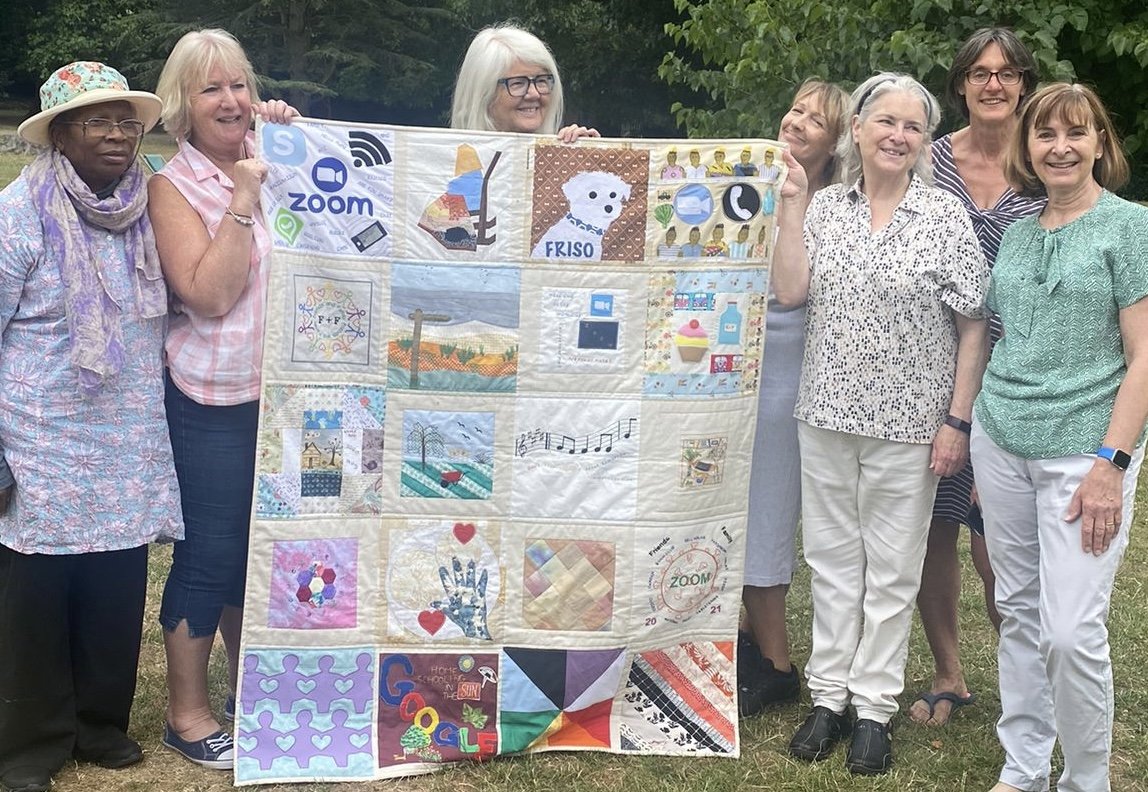
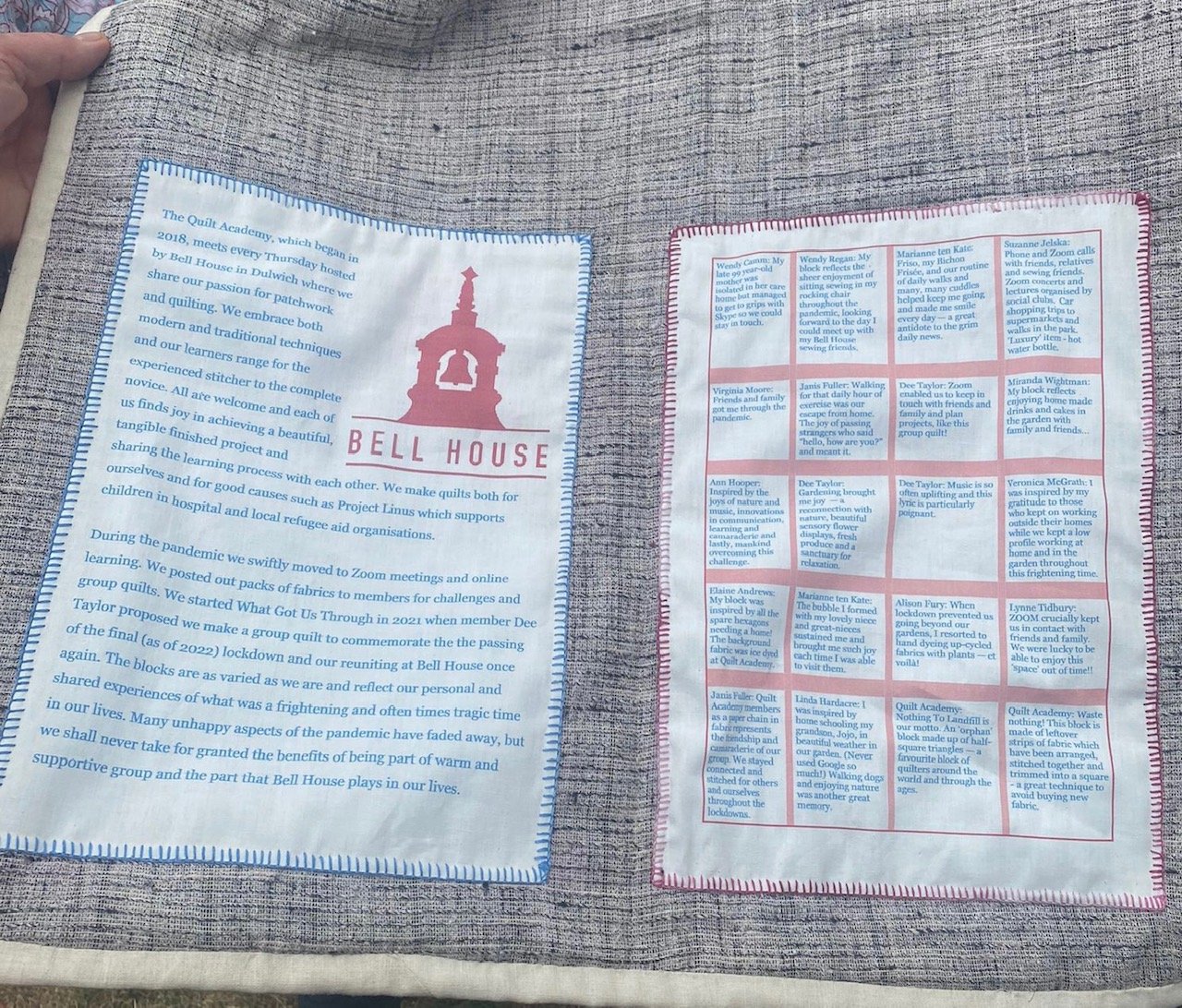
“What got us through” the Quilt Academy’s lockdown quilt to become a part of the Southwark Museum of Heritage and Culture archives

The QA is feeling pretty chuffed this month as they have now met with the curator of the new Southwark Museum of Heritage and Culture and handed over their ‘What Got Us Through’ lockdown quilt. This new museum replaces the Cuming Museum which was destroyed by fire some years ago. The QA quilt, on permanent loan, will form part of the social history archives. The curator will return to record each stitcher speaking about their square made in response to the lockdowns. It will then be an interactive exhibit.