Bell House Winter 2025 Newsletter


In the 2025 Winter edition, you’ll find a selection of recent news and updates from Bell House, which we hope you will enjoy!


“No age barriers here.” 

by Joan Trodden
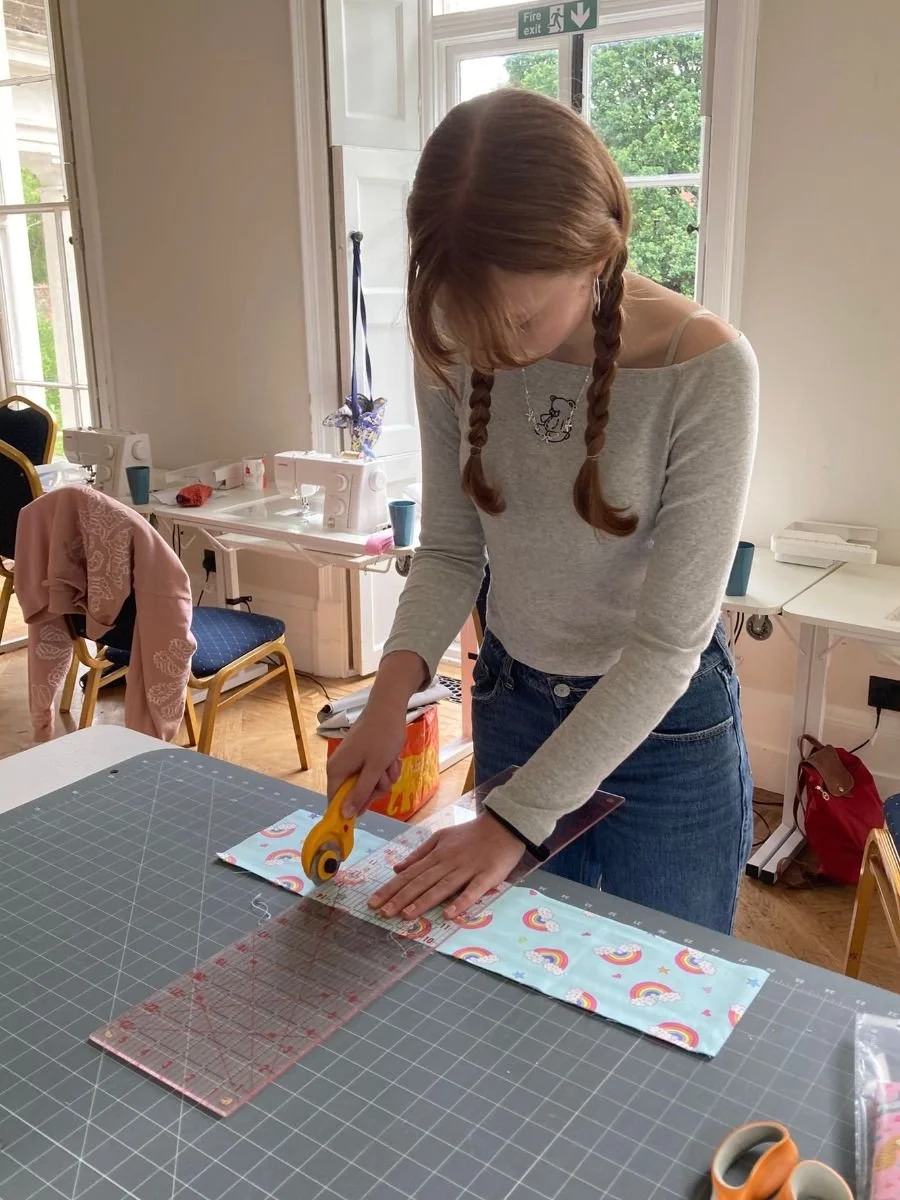
Bell House is not just a place where adults or children learn in isolation.  There are many opportunities for families to learn together.

In my case my granddaughter, Agnes came with me to Quilting Academy and made a Linus quilt for King’s College Hospital.  She was doing this to complete the skills component of the Duke of Edinburgh Award. Other opportunities exist to complete the volunteering component in both quilting and gardening.  Teenagers relax more quickly if they are accompanied by a parent /guardian or grandparent and able to focus on the job in hand.

Besides my grand daughter’s confidence and skills developing, there were other spin-offs.  A small cue is all that is needed to share memories and enjoy a trip down memory lane together.  In my case 1953 was on the jacket reviews of her set book from her school which was in her bag.  I told her all about the Coronation of Queen Elizabeth II and how many people bought televisions especially for the occasion and invited all their neighbours in to watch it.  Another quilter came into the conversation and mentioned that was also the year that Sir Edmund Hillary conquered Everest. 

Agnes couldn’t believe that our memory was so vivid, as she worked it out that I was only six! Little did she realise how few distractions we had in those days!

So Bell House can create a space not just for inter-generational learning and confidence building but a platform for those precious moments when children discover life can be quite different.

Just in case you missed the recent BBC DIY SOS programme where the wonderful quilt produced by Bell House Quilters was featured, do check out this link


“Bell House Gardeners - illustrating  why Accessibility and Climate Resistance must work hand-in-hand.”

by Gaynor Hayburn and Sarah Hammond. Image Sara Lloyd
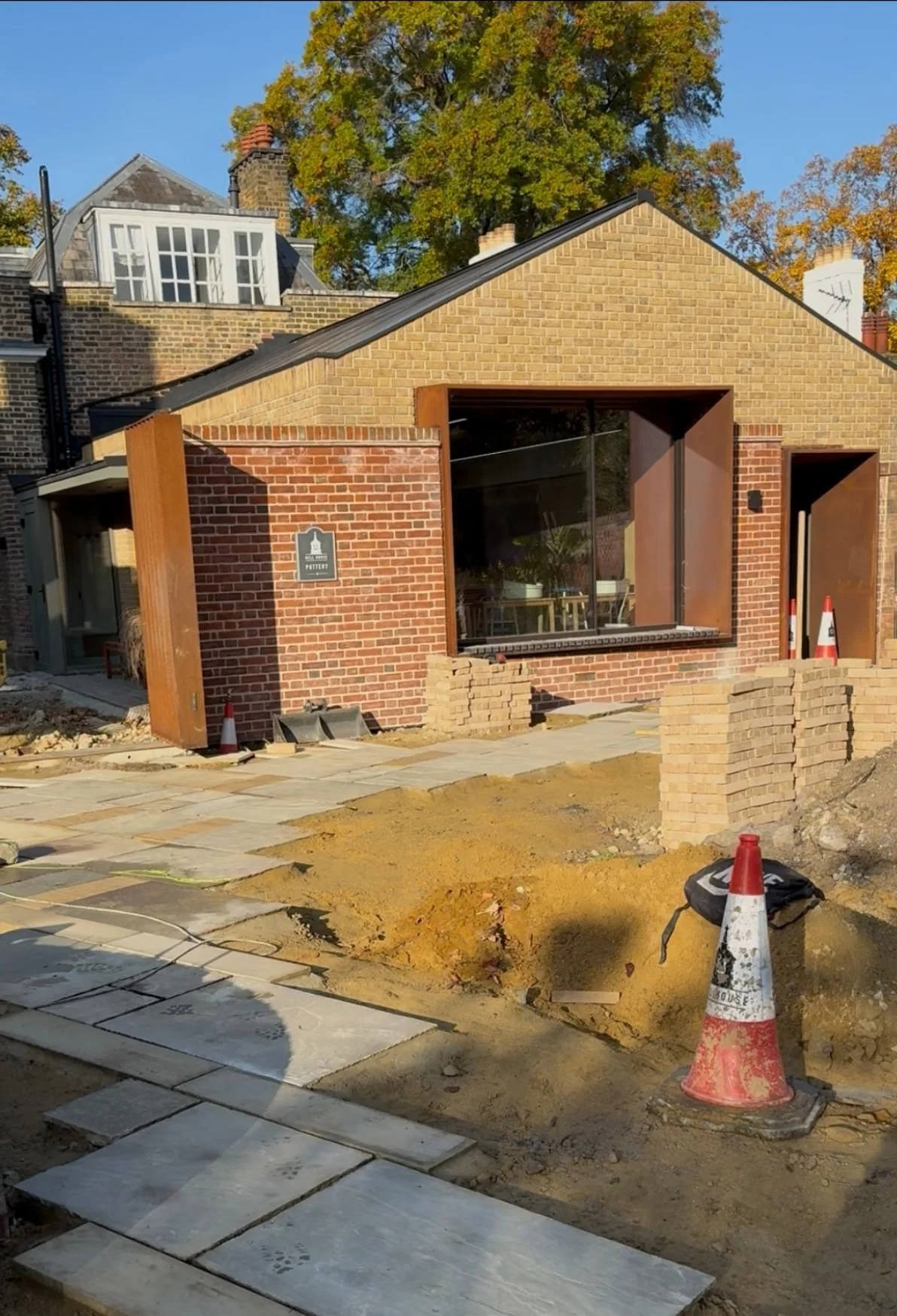
The Bell House gardeners are improving the entrance to the Pottery and Bell House gardens, creating accessible paths into and through the Walled Garden and onto the terrace behind the house. This new space has been designed for sustainability and inclusivity, offering visitors a welcoming and educational experience.  The garden will allow us to plant drought-tolerant species and create habitats we don’t have elsewhere in the garden.  

We worked with Ben West and his team at Landscaping Solutions and used as many recycled materials, or those salvaged from other projects, as we could.  The landscaping is now complete, waiting for planting in early spring and a finishing gravel mulch layer.

To make the paths step free, we needed to raise the ground level across the garden.  By using a free-draining substrate layered with sand and gravel on top we were able to create what will be a dry gravel garden.  This means we can experiment with more Mediterranean style planting, plants which are drought-tolerant in the summer but struggle with our cold, wet, clay soil in winter.  The sand and rubble will require plants which tolerate alkaline conditions, so will introduce more variety into the garden.  In the garden as a whole we aim to have a good mix of native plants for specialist pollinators, feeders and their habitats and non-natives to extend the flowering season, providing forage for insects lulled out of hibernation by warmer seasons.  

Planting into low-fertility sand and gravel will mean slower growing plants which are sturdier and last longer.  Our planting design draws inspiration from the Horniman Museum Gardens, Sissinghurst Delos garden, Beth Chatto’s gravel garden and John Little’s garden in Essex and the Knepp Castle Walled Garden, all of which showcase climate-resilient planting, sand, gravel and reclaimed materials such as crushed concrete and rock. 

Different surface materials will enrich the ecological value of the garden with mounds of sand for ground-nesting bees and solitary wasps, areas of open gravel for ground-hunting spiders and rocks and stones for butterflies to bask on.  Logs and planting around the raised pond will create habitats for over-wintering frogs and egg-laying opportunities for damselflies and hawker dragonflies.

The new garden will welcome human visitors too with level paths, a new terrace outside the pottery, benches and the opportunity to learn about and explore with us the value of a range of growing conditions and habitats for our flora and local fauna.  The garden is open to visitors on the first Saturday of the month, please see the Bell House website for details.


A Celebration of Creativity’s Power to Heal, Connect and Transform Lives

by Sarah Wetherall and Fabienne Hanton
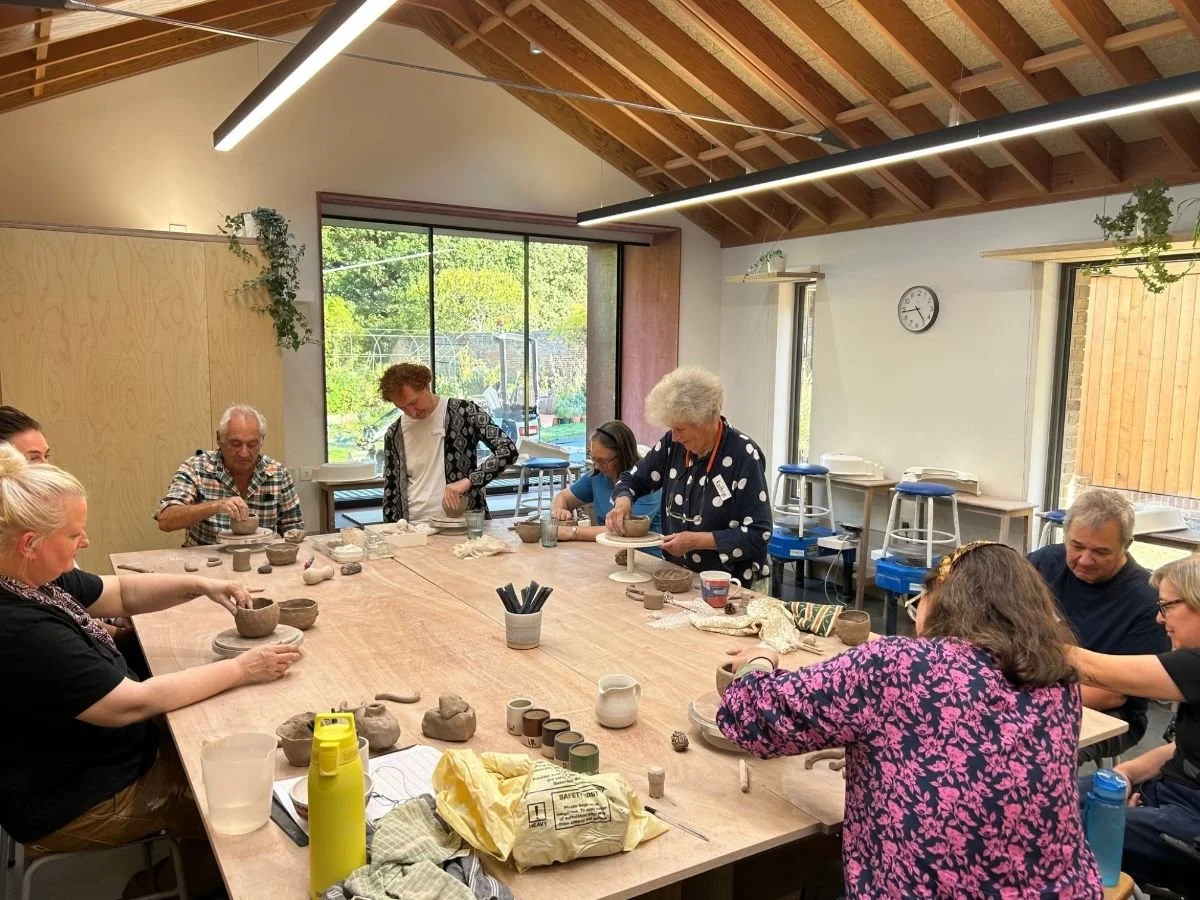
The Bell House Creative Health Project is bringing creativity and care together in a new and inspiring way. 

It was launched earlier this year and explores how art can enhance wellbeing and bring people together. By partnering with local health charities, artists, and community organisations, the project is using creativity as a powerful tool to support both physical and mental health. 

The first charity to partner with the project this year was Aphasia Re-connect. Over 350,000 people in the UK are affected by Aphasia which is a communication disability and occurs when the communications centres of the brain are damaged from for example, a stroke, brain injury, tumour or hemorrhage and can impact on your ability to read, write or speak.

So far, members of this group have been welcomed to Bell House to take part in a marbling class and a pottery class. 

At the marbling class Sarah showed participants how to work ink onto the surface of water, to make patterns for transfer onto plain paper.   Each pattern is unique and every participant made 8 beautiful marbled papers to take home.

At the pottery Gaby showed members of the group how to make a simple cup, a bowl and a jug and everyone was given the choice of making two of the three pieces.  The finished items were left on site to be fired before being returned to the participants.

In both classes the artist practitioners and participants had wonderful support from two speech and language therapists, Rachel Ba and Katherine Preece as well as in-house volunteers Jane, Jenny, Paula and Jim.  

And for the participants an added bonus was the beautiful Bell House and garden setting for these workshops. The time to break for refreshments, enjoy the surroundings and talk together is an essential part of the experience at Bell House and everyone was able to sit outside and enjoy the sun, which obligingly shone for both workshops.  We had great and constructive feedback from participants for both the activities.

Through hands-on workshops in painting, pottery, music, and stitching, participants are discovering how creative expression can boost confidence, reduce stress, and build connections. Each session is designed to be inclusive and accessible, encouraging everyone to take part, explore their creativity, and leave with a sense of achievement and belonging. Health charity partners help shape the programme, ensuring that activities draw on therapeutic practices and align with evidence-based approaches to wellbeing. This collaboration strengthens the impact of each workshop.

As the project grows, so does our belief that active engagement with the arts and creativity can be beneficial for our health and wellbeing.

The Bell House Creative Health Project is a celebration of creativity’s power to heal, connect, and transform lives. We have great plans for 2026.


Introducing Liam Sherriff - Bell House’s Inaugural Filmmaker-in Residence

by Liam Sherriff
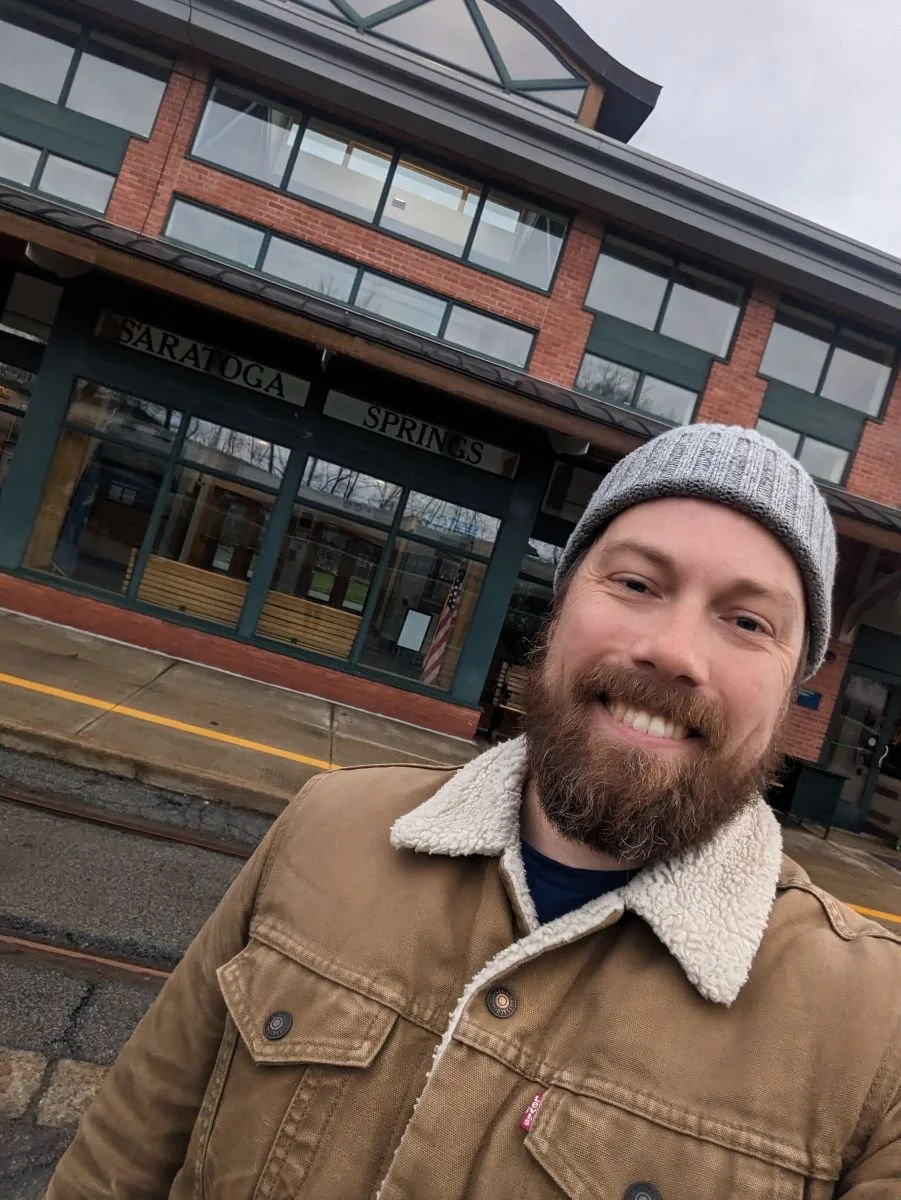
I am very excited to be the inaugural filmmaker-in-residence for Bell House. As with many other things in life, I arrived here via a circuitous route and with the help of many friends. 

In the summer of 2025 I had just finished work back in Canada on my third feature documentary in a row and was looking to shake things up a little and expand my horizons. Through the great network of filmmakers I'm lucky to be a part of, I met Morgan - also an English/Canada based filmmaker - who was looking for someone to take on this role. Given both my professional and academic background, and my need for a project on arriving in London, it was a great fit.

I am primarily a feature documentary editor, both picture and story. I also have an academic background in literature and film, and professional experience working for non-profits and charities back in Canada, where I live on the west coast. I’ve enjoyed working on all genres of film and television from animation to webseries, but long-form nonfiction is where I do my best work. The last three documentaries I was a picture and/or story editor on include the biography of famous physician and writer Gabor Mate, the story of Canada’s largest act of civil disobedience, and the ongoing saga of the war on (and for) drugs in Vancouver, British Columbia.

My overall aim during my time here is to set up future filmmakers for success at Bell House. Current projects I'm working on include obtaining a professional camera and microphone for the house. This could be used for capturing the events and activities of the house - including recording talks and lectures - as well as more creative pursuits for future artists-in-residence, or classes and workshops. To that final point I am currently developing a short documentary class for local youth; look for that in the early spring! Finally I am also instituting a film club, starting with a screening of Physician Heal Thyself: the life and work of Gabor Mate. The film offers a searingly intimate portrait of the celebrated expert on addiction, stress and trauma. It’s showing on Wednesday 10th December at 7.00pm at Bell House. https://www.tickettailor.com/events/bellhouse/1964554

Whilst all that is ongoing I am also keeping my ear to the ground and my eyes open for interesting new stories to tell about the people in the community. 

Do you or a family member have a unique passion or goal? 

Is there something different about how you live your life? 

As long as it’s authentic, the universal can always be found in the specific, and the smaller stories are always truly more interesting. A good story can often be found in someone who pursues an interest or desire that’s just a little outside the mean. 

Please reach out to me - I’m always looking for more subjects for micro-documentaries. [email protected]
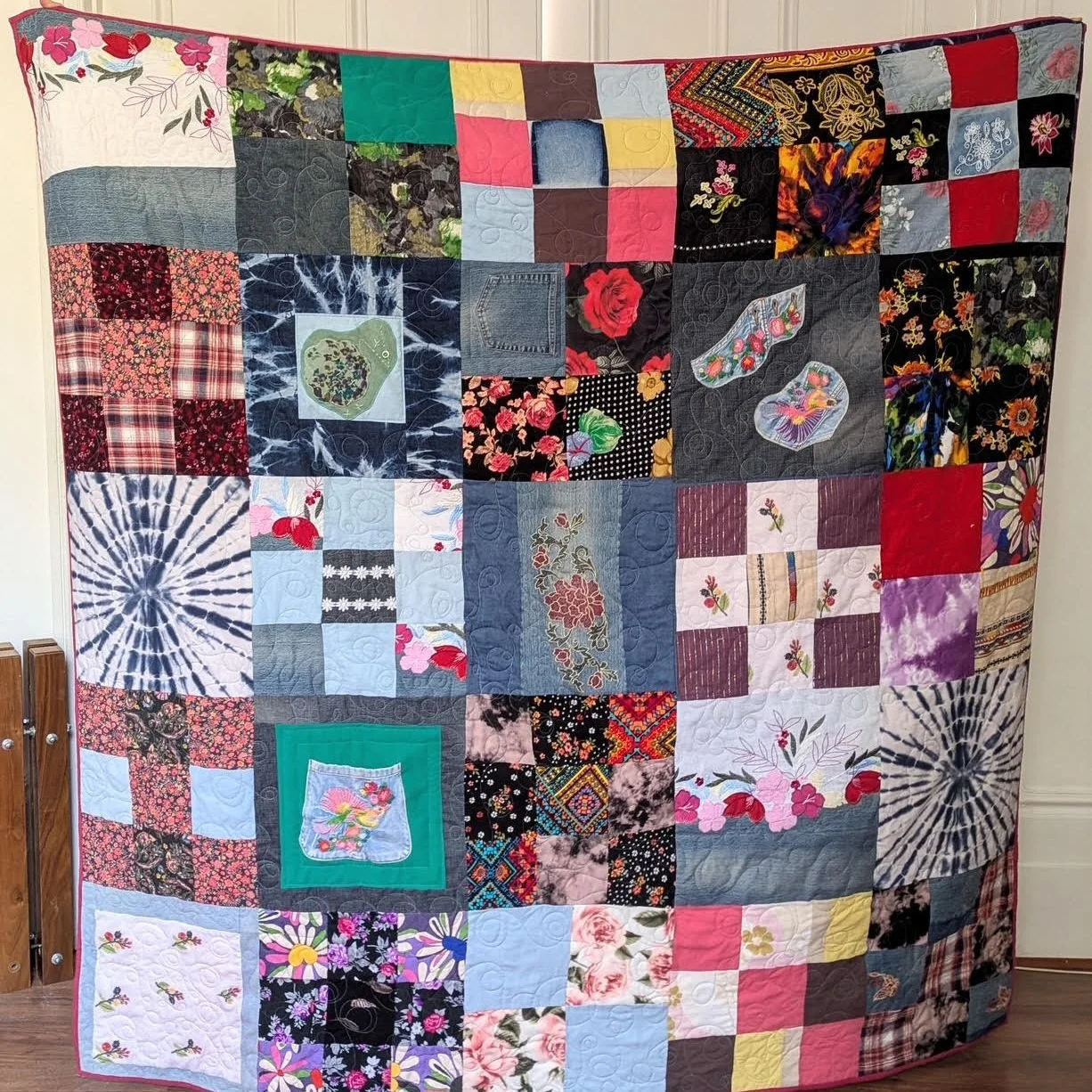
 

Quilters on BBC's DIY SOS


DIY SOS wanted to have a memory quilt made for bereaved siblings living on together in the same house after their mother’s death.

DIY SOS found Catherine-Marie Longtin, an art quilter based in Peckham, and asked her if she could make such a quilt. She was enthusiastic, but knowing that she had less than a week to make it, knew she couldn’t do it alone and needed some volunteers to help her. She contacted Marianne ten Kate, a fellow member of the London Modern Quilt Guild, for help. Marianne quickly realised that she knew EXACTLY who could get the job done. Marianne spoke to Janis Fuller, her fellow Quilt Academy tutor, and they hatched a plan. The mother’s clothes, chosen by the siblings themselves, arrived at Bell House on Friday lunchtime, and under Catherine-Marie’s artistic guidance, a large group of eager and joyful QA members, joined by members of Dulwich Quilters, worked to make the blocks. In addition, another group of equally keen QA stitchers made each of the five siblings a cushion from their mother’s clothing to keep in their own rooms.

An heroic effort resulted in a quilt top and all the cushions being made by 5pm. Janis made the backing from two huge pieces of ticking, to Catherine-Marie’s exacting standards, and Marianne quilted it on the Saturday on her long-arm quilting frame. It was ready for Catherine-Marie to add the binding and deliver it to the programme makers by Wednesday. 

Catherine-Marie and Wendy Regan went to the DIY SOS ‘grand reveal’ at the newly renovated home and met some of the family. Tears were shed all round, we’re reliably informed.

The programme, featuring the finished quilt, aired on the 24th October on BBC1.


Bell House Spring 2025 Newsletter


The four seasons of 2024 have flashed by! We are so excited to bring you our Spring quarterly newsletter with four new Bell House articles which we really hope you enjoy reading.


“A home from home”. QA Quilts adding a colourful touch to the Ronald McDonald House in Camberwell 

by Janis Fuller and Marianne ten Kate - QA founders

Photo credit: Marianne ten Kate

The Quilt Academy  - QA for short - has been making quilts for Project Linus* for children and babies in King’s College Hospital since we began in 2018. Angus was keen for practical skills to be part of the Bell House mix, so in 2017 he contacted Dulwich Quilters. Janis and Marianne, who run QA, are both members of Dulwich Quilters and took on the challenge of sharing their passion for all things quilting in weekly drop-in sessions at Bell House. Charity quilts are a staple of quilters far and wide, so the makers are encouraged to make one and then they are hooked!

These colourful and cuddly textiles came to the attention of Ronald McDonald House** staff who also work with King’s to support the families of those children. Families who live far from King’s can stay nearby in the RMH residential home in Camberwell. 

It’s a newly refurbished building with 24 bedrooms, each with twin beds which can be used separately or joined, in now gleaming wonderful hotel-like rooms.

And therein lay the problem.

The rooms needed something special to make them feel like a “home away from home”. Both family and young patients benefit so much from the daily, often day-long ward visits. Afterwards, the families are able to return to the RMH and make a meal, meet with other siblings and parents and rest ready for the next day. 

RMH staff asked Project Linus if each room could have a pair of quilts to make the beds look inviting and cosy. It would be an ideal way to make the haven they create at RMH to feel like home too.

If there’s one thing we know about at QA, it’s making quilts and we love a challenge. It takes a lot of time and effort to make a beautiful and hard wearing quilt — one that can be washed and loved for years.

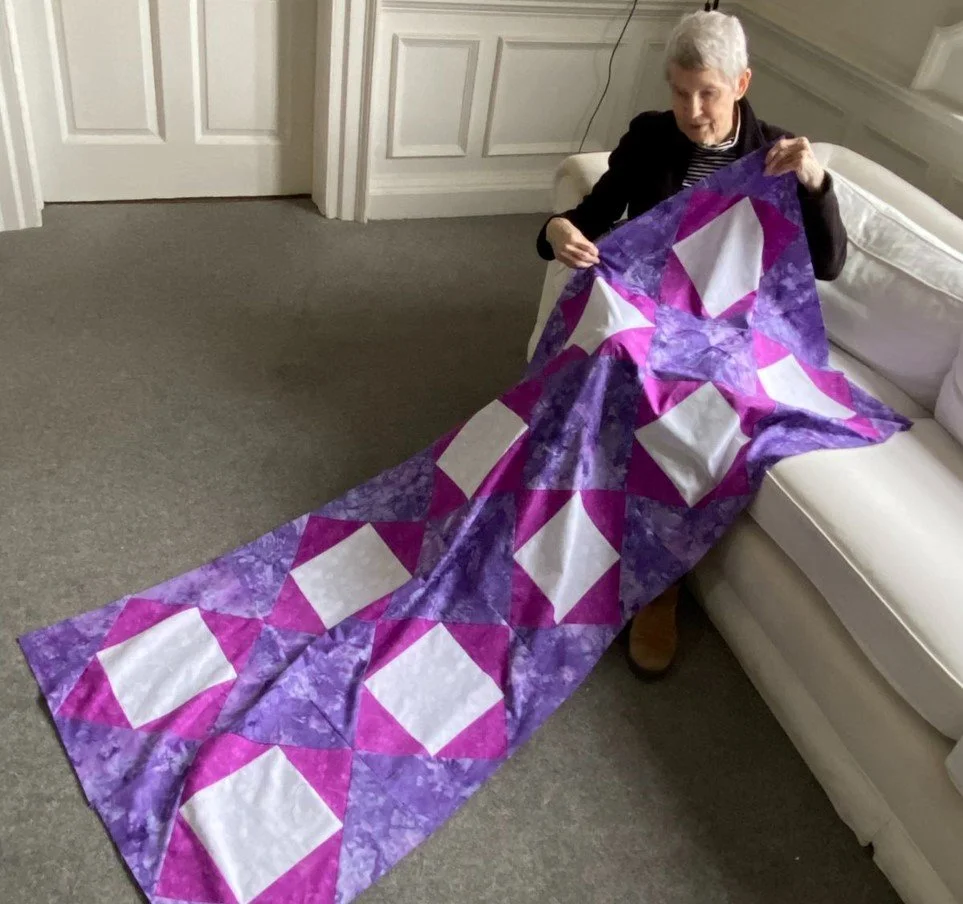
Each month, the QA stitchers learn a new block of just the right size to make a beautiful quilt top. Quilt blocks are made of pieces of fabric, known as patches, sewn together often in complex patterns. Quilt tops are variously made from repeating blocks set together, or a design appliquéd onto patches, or plain patches set together — as long as the geometry works and the maker is happy with the result.  The photo above is of Gill, a QA regular, with a partially completed Economy Block quilt top to one of our RMH quilts. 

We learned during the Covid-19 pandemic that to get a big job done, we need to involve other quilt groups. Dulwich Quilters, Half Moon Stitchers and Shirley Quilters are going to pitch in, but QA is best placed to make many of the quilts as we have benefited so much from the generous fabric donations we receive and the ability for us to store them (and our purchased supplies) at Bell House.

Each quilt requires approximately 10 yards of fabric — just over 9 metres — and 2.5 metres of wadding (the stuff in the middle). We can supply most, but not all the fabric from our ‘stash’ of fabric, but the wadding has to be purchased and we will need a lot of it. So we rely on sales at Bell House events and the generosity of our quilters and friends.

We’re happy to be part of this wonderful project and would welcome any support to get our beautiful quilts into Ronald McDonald House as soon as possible — and there is ALWAYS another beautiful block or technique we need and want to share. 

*Project Linus

**Ronald McDonald House - RMH


No “Rough Sleeping” for the Bell House Honey Bees

by Annie McGeoch, Bell House Beekeeper

The bees have been surviving winter for the last 35 million years. All the 60 kinds of bees in London have ways of coping with the cold and damp. But the difference with honey bees is that we as humans help them, or try to. They are still wild creatures and can leave at any time but humans have offered them cavities that they can live in. They still respond to the seasons and weather and changes in them. The connection to seasons and change is part of the pleasure of keeping bees.

In the wild they would have a nest in a hollow tree at least 20 feet above ground. Humans have been working with the bees taking their winter stores for at least 8000 years. There is a drawing carved on a cave wall in Spain showing humans taking honey.  

At Bell House we try and mimic the insulation of thick tree walls so the bees can stay in a warm almost closed cavity and control the heat and scent environment they live in. Communication in a totally dark warm cavity is by scent that the queen produces and is passed from bee to bee and fills the cavity. By insulating and providing thick walls in the hive, the bees can keep the colony in a cluster. 

The colony consists of one queen, some drones (males only during the summer) and thousands of female worker bees. Each summer female worker only lives about 6 weeks. In the autumn the summer worker bees die away and winter bees are bred that live 6 months until the spring. We always talk about worker bees but there are really two kinds of worker bee. 

The bees use propolis, an antibacterial mixture of pine tree resin and beeswax to seal the drafts and control the ventilation and use honey stores around them in the nest as another layer of insulation. The bees cluster round the queen and slowly work inwards to care for her then work their way back to the outside of the cluster. 

On a warmer day in winter with sunshine the outer bees will go out of the box to defecate and may even collect supplies of pollen or nectar if the snowdrops or crocus have flowered. Once the days begin to lengthen the queen will start laying and the larvae will need protein to grow. Mostly we hope the cluster moves over the food stores and the honey bees eat their own supplies . At Bell House I always leave at least 30 pounds of honey for the bees to use over winter. 

It is not clear why bees make so much more honey than they can possibly eat over the winter, maybe after centuries of human interference they have evolved to make more than they need.

There are a series of evenings booked into the garden and apiary during the 2025 season. We will look at the planting for all invertebrates in the beautiful garden and then don bee suits and look inside a beehive.


What connects a 10ft tall Paper Sculpture of a Polar Bear and Bell House? Read on…….!

Mike Coates Interviewed by Sally Graham

Photo credit: John Jessel

There are so many wonderful volunteers running Bell House - our unsung heroes as we call them.

We start with an interview with Mike Coates - a previous house Guardian and now an indispensable employee and volunteer.

How and when did you discover Bell House?

Mike and his family had lived in East Dulwich for 30 years and had driven though the village many a time and even had a coffee or two in the Dulwich Picture Gallery café - but they’d never noticed Bell House - after all, it looked like “just another huge village property”.

It would take something quite remarkable for Mike to discover Bell House.

How did you first become involved with Bell House?

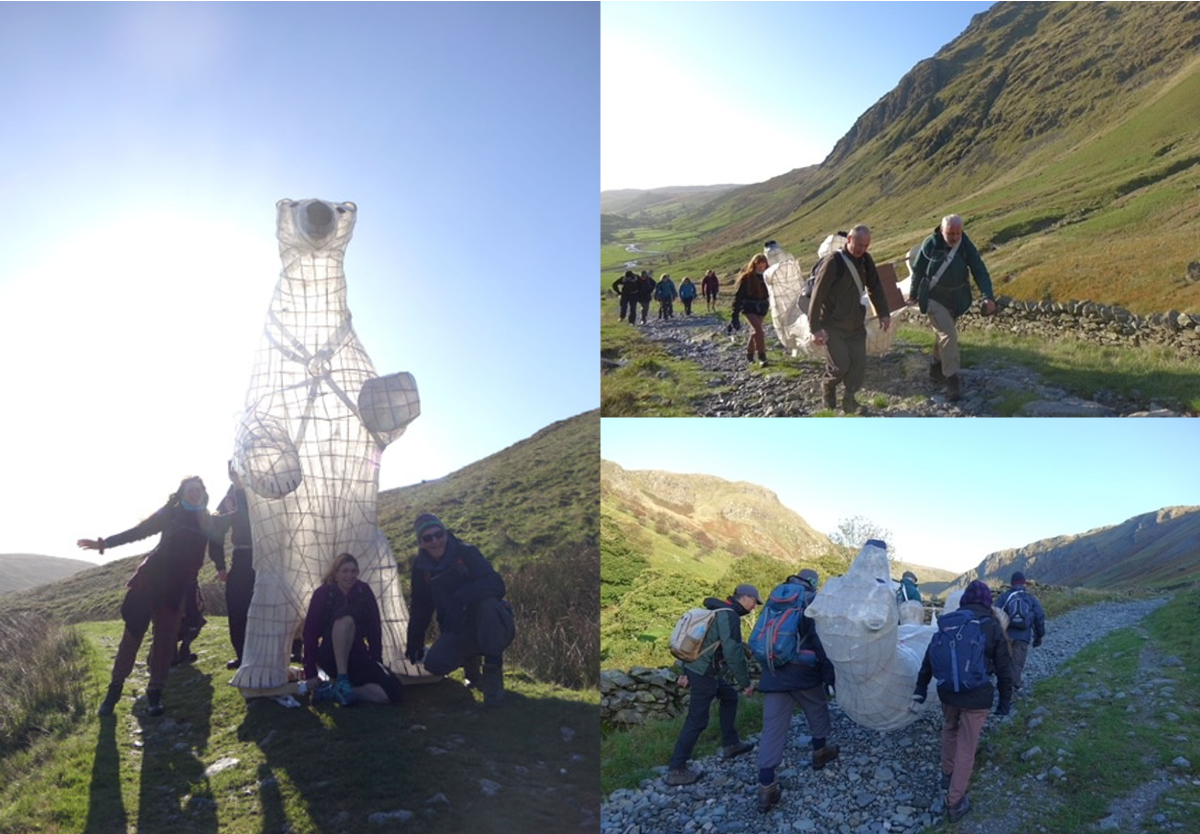
Mike had informally met Suzanne Jessel - Bell House Dyslexia extraordinaire - and one day in October 2021 she told him about her plans for a weekend in the Lake District. She, and her husband John (the photographer), were helping a Quaker artist to transport a 10ft tall bamboo and tissue paper sculpture of a Polar Bear. The bear was being ’walked’ from Shropshire to the COP26 conference in Glasgow as a protest about climate change. (BTW - the number of the COP doesn’t match the year.) By coincidence Mike was going to be walking in the Lake District that same weekend and he asked if he could help out.

During their walk Mike and Suzanne had a chance to really chat. To cut a long story short, Mike and his wife Sarah were looking for somewhere to live and Suzanne said “Perfect. We’re looking for Guardians for Bell House - would you be interested?".

What are your strongest memories of the time you and your wife lived at the house?

When Mike met Angus and Fabienne he found they had so much in common - most importantly a keenness to “build community”. After many years of teaching Mike had moved to London to take a course in community building - this was exactly the plan for Bell House.

Mike’s strongest memory of his time in Bell House?

Being inspired by Angus and Fabienne’s vision for Bell House.

What is your involvement now you are a volunteer?

Mike is employed on Thursdays and then volunteers on Saturdays. His nickname is “Man Thursday” - but that doesn't say it all.

You’re known as ‘Mike can sort/fix anything”. Have you ever got ‘stumped’ when you’ve been asked to help out with something?

To quote Mike: “If I’m stumped, I’m probably not the right person to be performing the task. I’ve finally learnt that not everything is my responsibility!”

But normally he knows who should be asked. As he says: “I may not be able to solve the problem myself but it does mean I no longer have to worry about it.”

Apparently Angus’s nickname for Mike is ”Henry Kissinger, known as the peacemaker.” No surprises there!

If you were asked to become the ‘Bell House Cryer’ what would you shout out through the streets of Dulwich?

Mike said he would refuse to be the cryer. He has never wanted to be a ‘front man”.

However he does applaud the vision of Bell House. To finish with Mike’s thoughts:  “This ties in with my values - it’s all about the community - about development and cohesion.”

A big thank you to Mike.


The Bell House Exhibitions Team - serving the local artist and community

by Anna-Maria Amato, Leader of the Exhibitions Team 

The exhibitions team came about in response to the many requests Bell House received from artists and the community to hold exhibitions.

As a result there was a call out for people to do just that - to organise exhibitions in the house, outside and in addition to the annual Artists’ Open House which takes place in May. The aim is to utilise the space by creating shows which ‘enrich visitors' curiosity and in turn, their relationship to the house and their lives outside Bell House.

Anna-Maria was asked to lead this team. “I selected the team members based on their enthusiasm and reliability, and appreciated that different people will have different contributions to offer. I am excited by our valuable group members and the unique team we have."

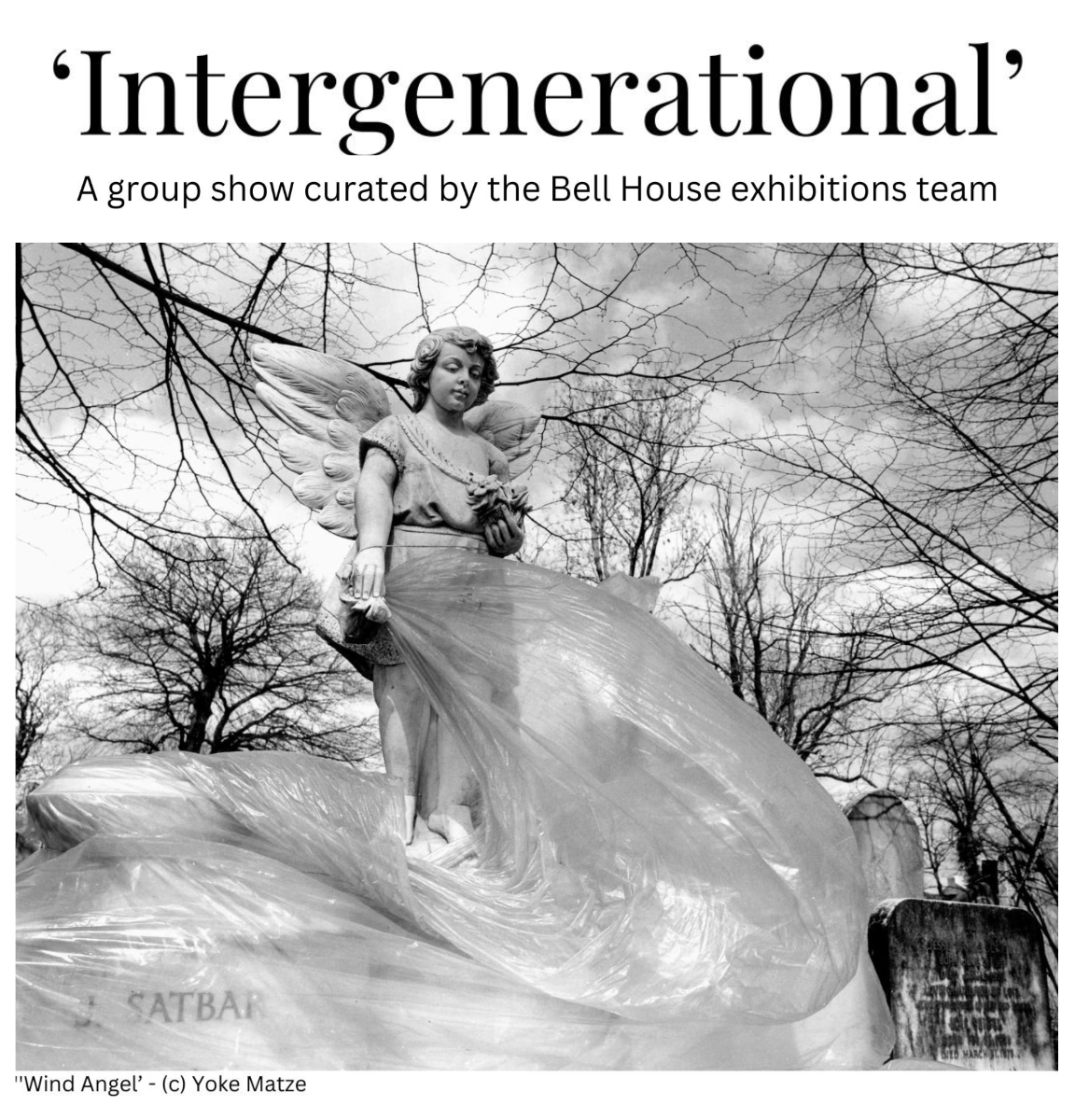
The first exhibition the team will open is titled ‘Intergenerational’.  We were initially inspired to work with this theme, in response to the recent Dulwich Picture Gallery exhibition ‘Yoshinda: Three Generations of Japanese Printmaking’, which displayed journeys through the generations within a family of printmakers.

We used this as a springboard to investigate art which covers generations, explores generations and describes generations. In addition we have designed a workshop which will bring visitors into practically exploring the theme with us. There will be a list of briefs - fun and thoughtful, plus guided activities if you wish, and a chance to make a zine or family portrait telling your story of intergenerations.

The artists we invited we felt explored the theme from many facets and therefore we believe will make a varied and interesting show. The artists explore family connections, the cycle of life, memories, heritage, shared histories. The art work will reflect how the past informs our understanding of life and creativity.

The artists are varied in their styles, materials and concepts, from Jo Lewis, who creates with ink and watercolour, exploring movement, natural processes and stasis to Helen Barff’s work which is concerned with memory, explored through playing with the perceived physicality of textiles.

Intergenerational’ promises an interesting and exciting show. It’s free and no booking required, so do visit - it’s running next weekend!


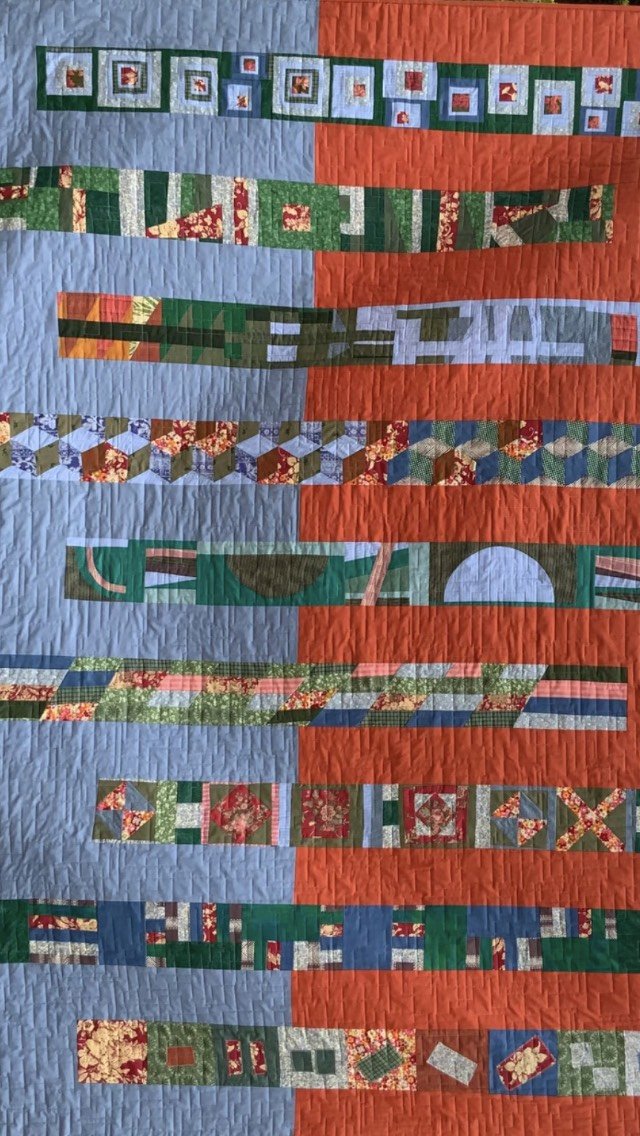
“Being Together” the QA’s first ever entry into the Festival of Quilts

Many of the group visited the Festival of Quilts last year and returned determined that they would exhibit their work in Birmingham one day. This week they completed their entry for the 2022 exhibition in August. Title ‘Being Together’  It is a big piece, it was a huge undertaking. Marianne and Janis were particularly pleased that this project was lead by members of the group.

Their sights are now focused on the quilt exhibition hosted by Dulwich Quilters to be held at Bell House in September. The Quilt Academy will exhibit work, run the tombola and contribute pieces to the sales room (this year raising funds for the Mind charity).

Quilt Academy is an all female group, age range 55-80 with most of us being retired with ideas and energy in abundance. There are 24 active participants and an additional 12 on the WhatsApp group who dip in when they can. A swift calculation I would say 10 ethnic groups are represented within our cohort.

The well-being, mindfulness and camaraderie are key to all that we do. The new stitchers receive formal tuition in the basic skills, more experienced members of the group are encouraged to develop and aspire to yet higher standards of both design and execution. Participants may work as an individual on a personal project or more commonly we can be found working on collaborative projects.

Also benefiting from our endeavours are the range of other groups who receive stitched pieces. Eg. Project Linus, Quilts for Care Leavers, Neonatal baby unit at Kings, Brixton Food Bank

Plus we endeavour to respond to initiatives - earlier in year the Afghan refugees and more recently those coming to the UK from Ukraine.

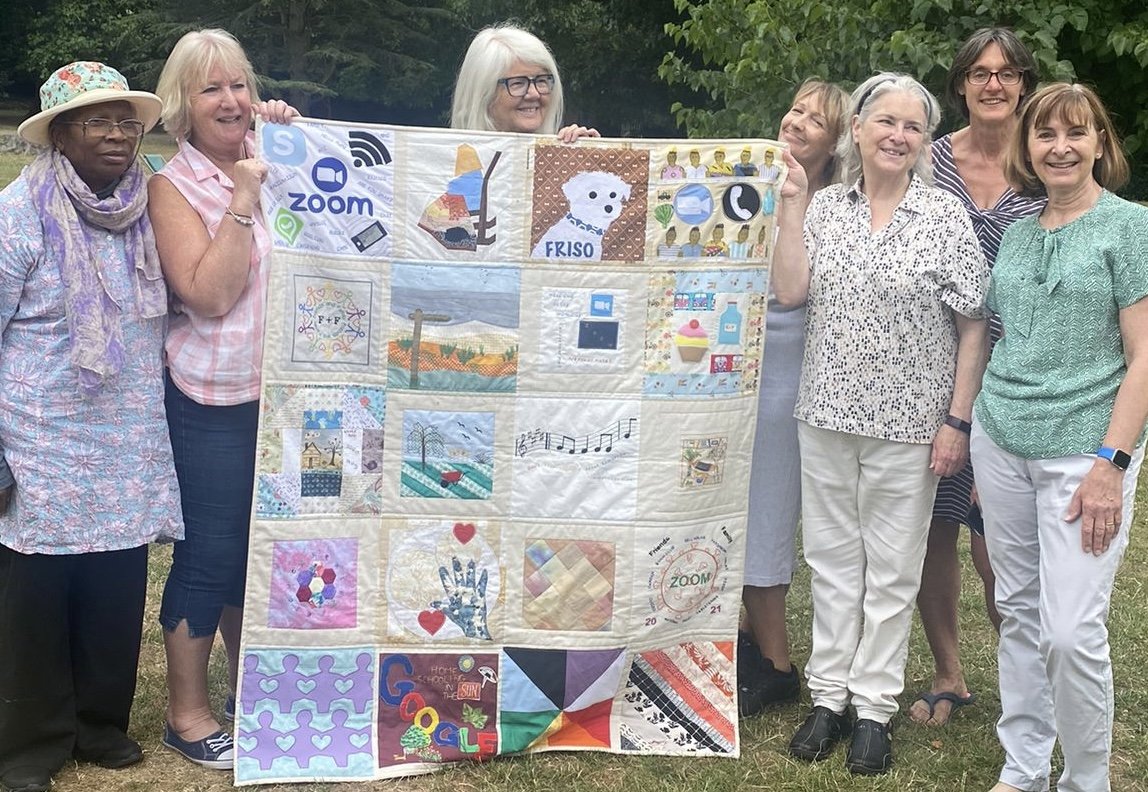
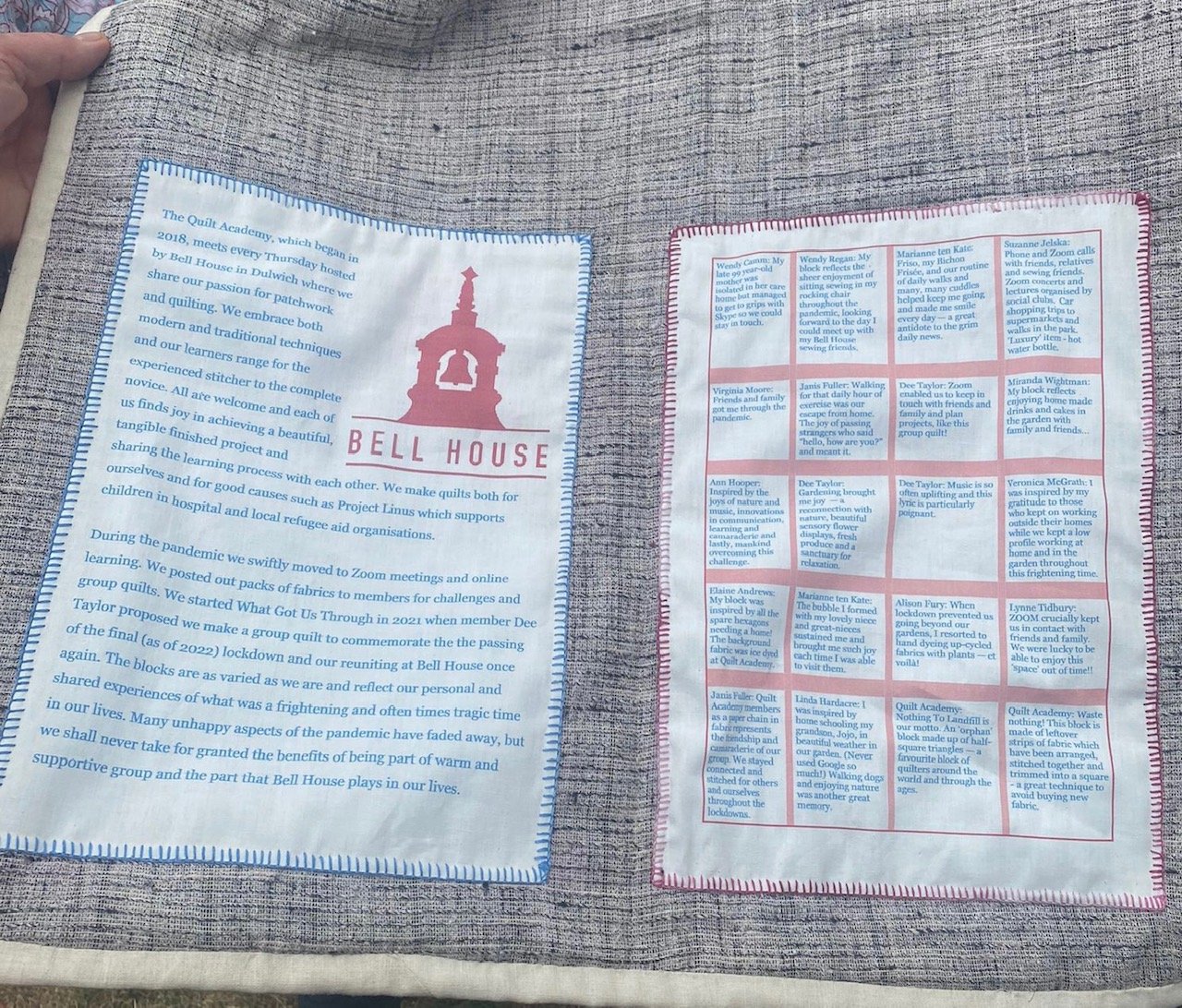
“What got us through” the Quilt Academy’s lockdown quilt to become a part of the Southwark Museum of Heritage and Culture archives

The QA is feeling pretty chuffed this month as they have now met with the curator of the new Southwark Museum of Heritage and Culture and handed over their ‘What Got Us Through’ lockdown quilt. This new museum replaces the Cuming Museum which was destroyed by fire some years ago. The QA quilt, on permanent loan, will form part of the social history archives. The curator will return to record each stitcher speaking about their square made in response to the lockdowns. It will then be an interactive exhibit.