
Viridis
1st – 4th May 2026
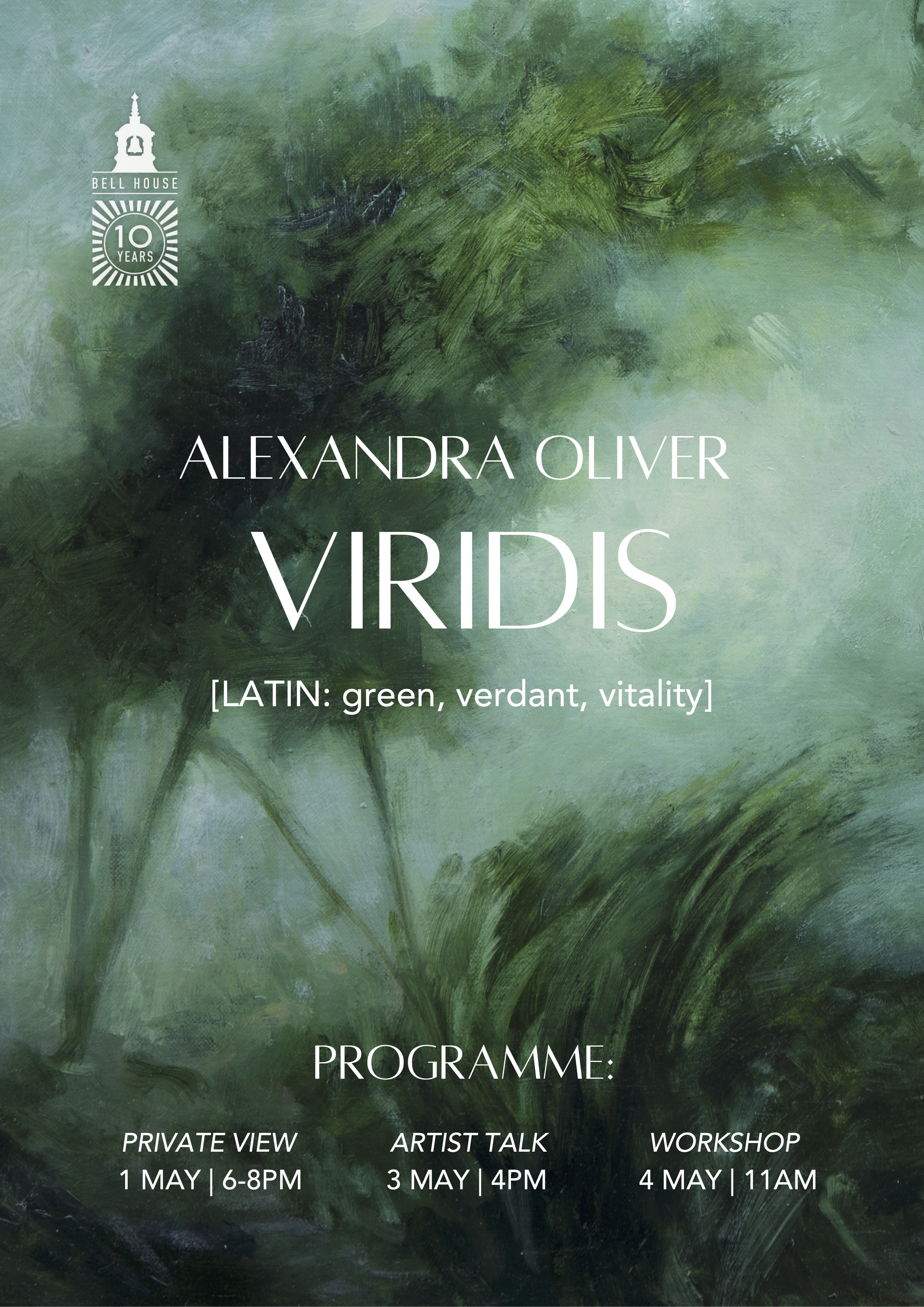
Artist: Alexandra Oliver
Exhibition Title:Viridis
Location: Bell House, 27 College Road, Dulwich, London SE21 7BG
Dates: 1–4 May 2026
Opening Times: 10am – 4pm daily
Private View: Friday 1 May, 6–8pm
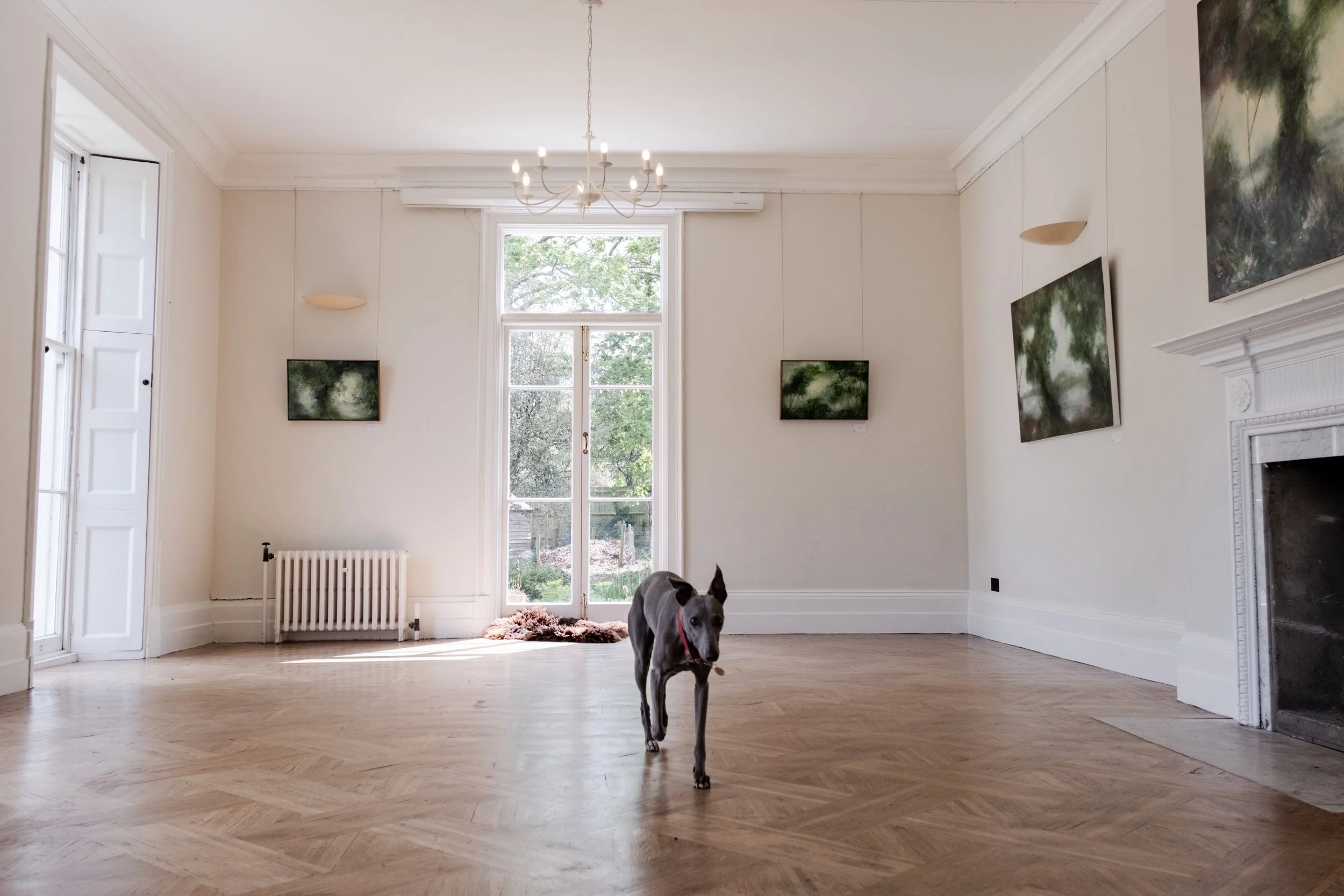
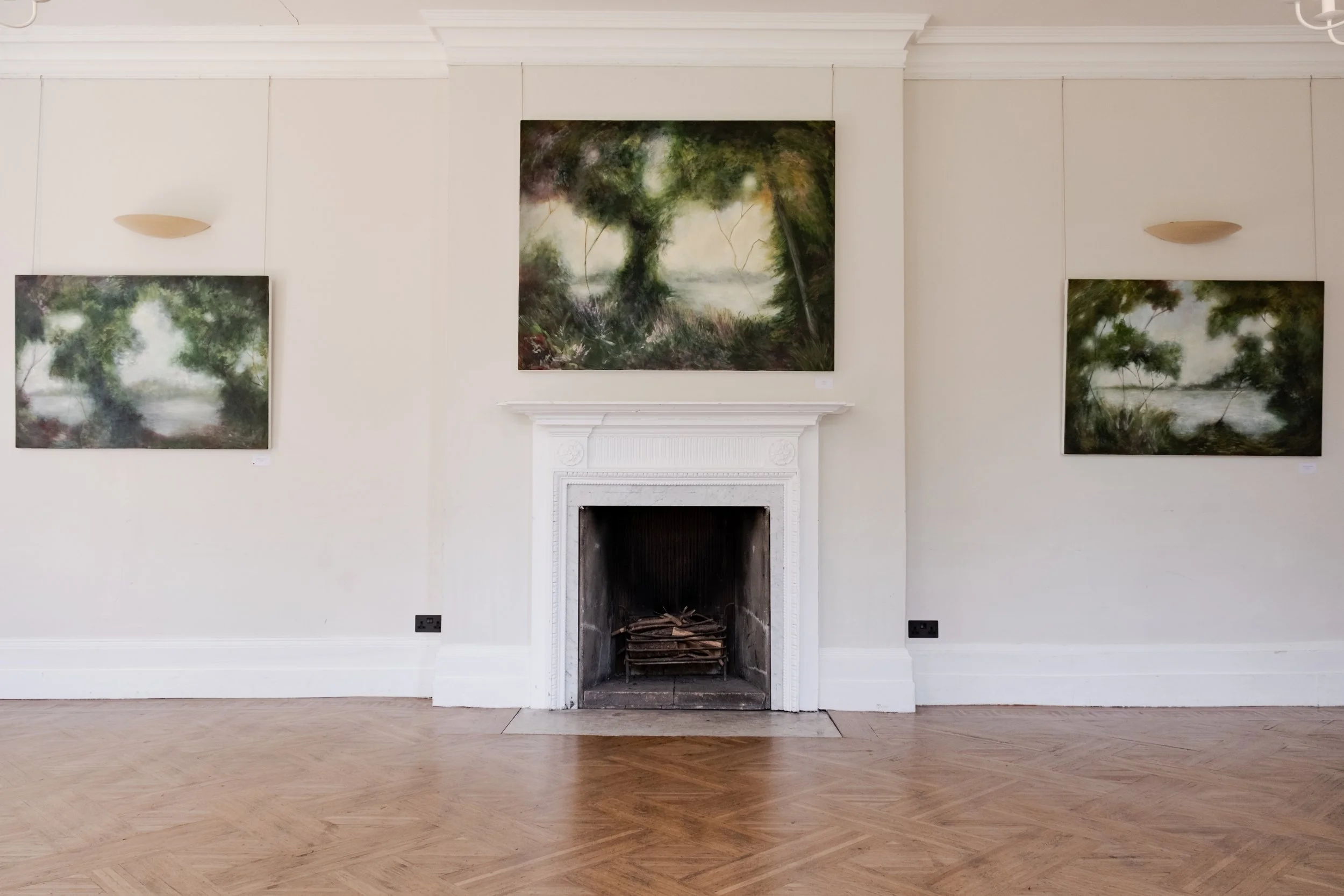
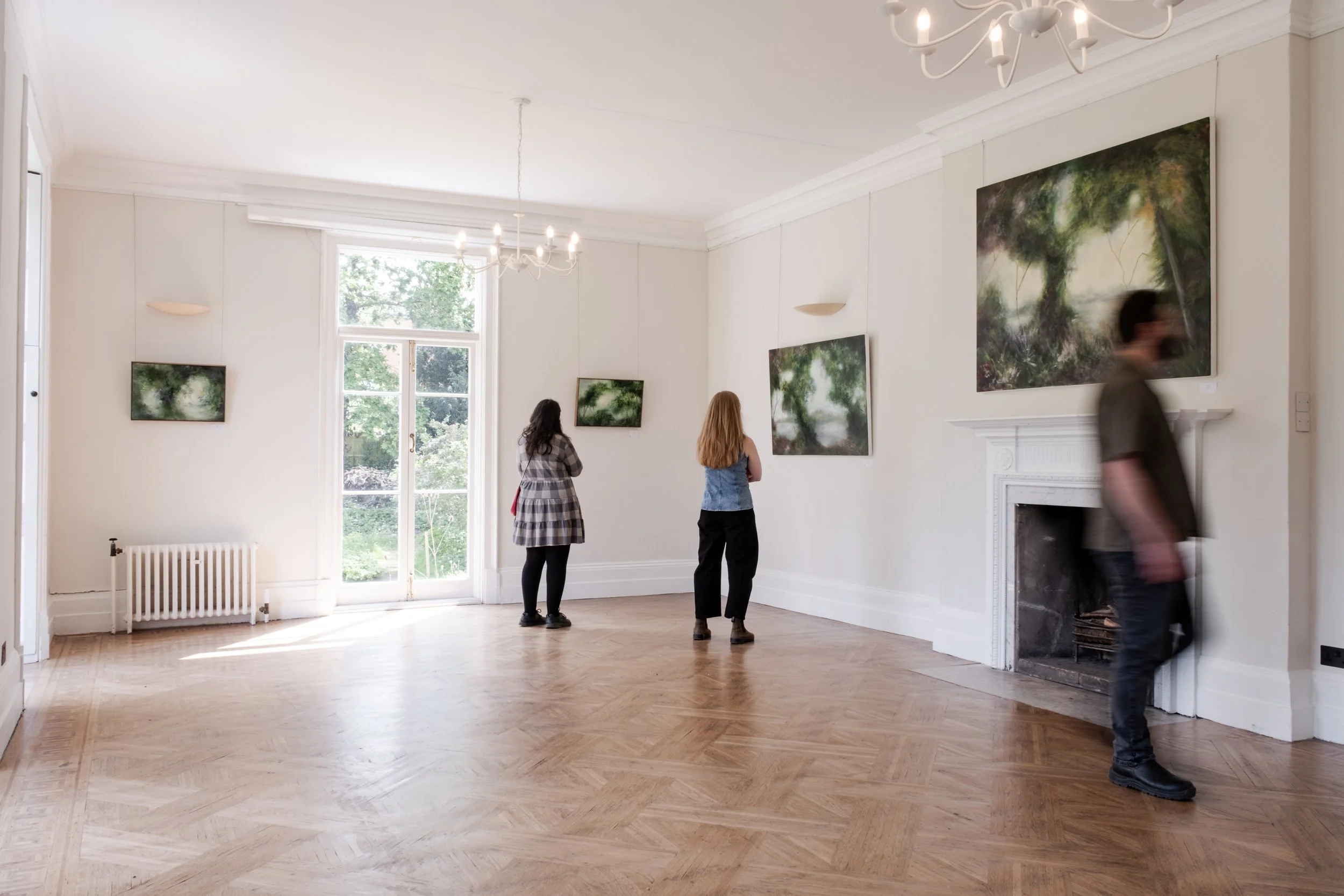
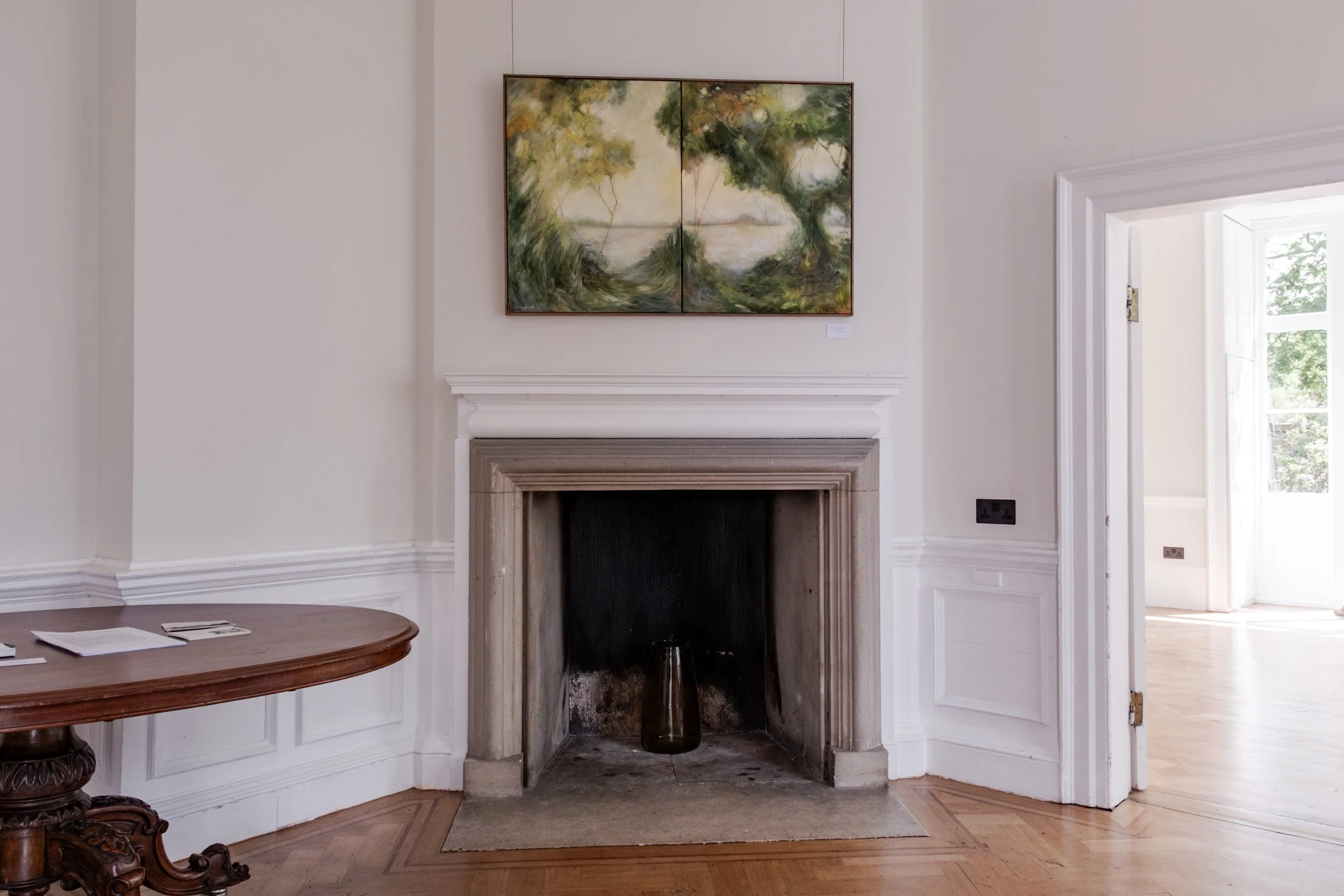
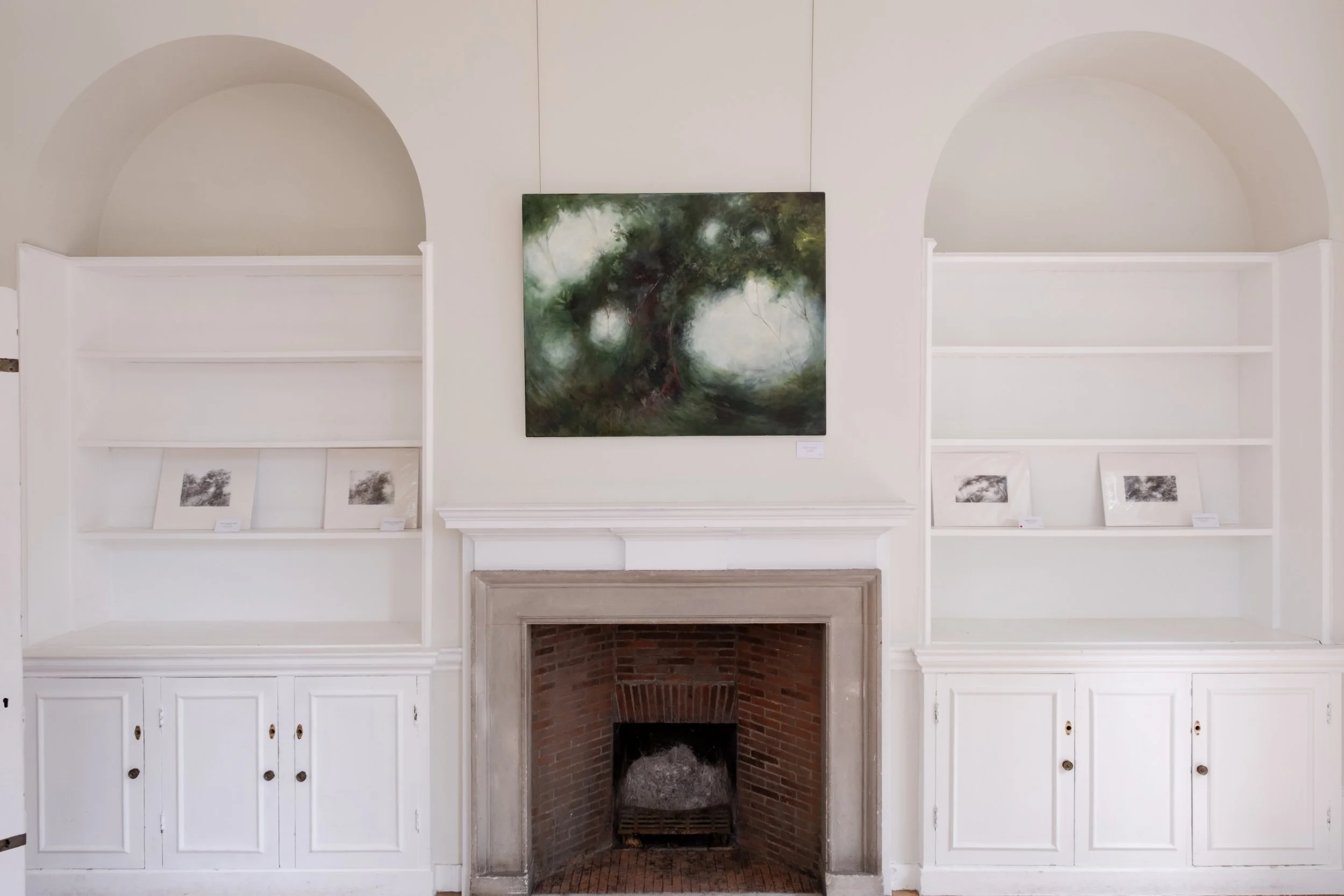
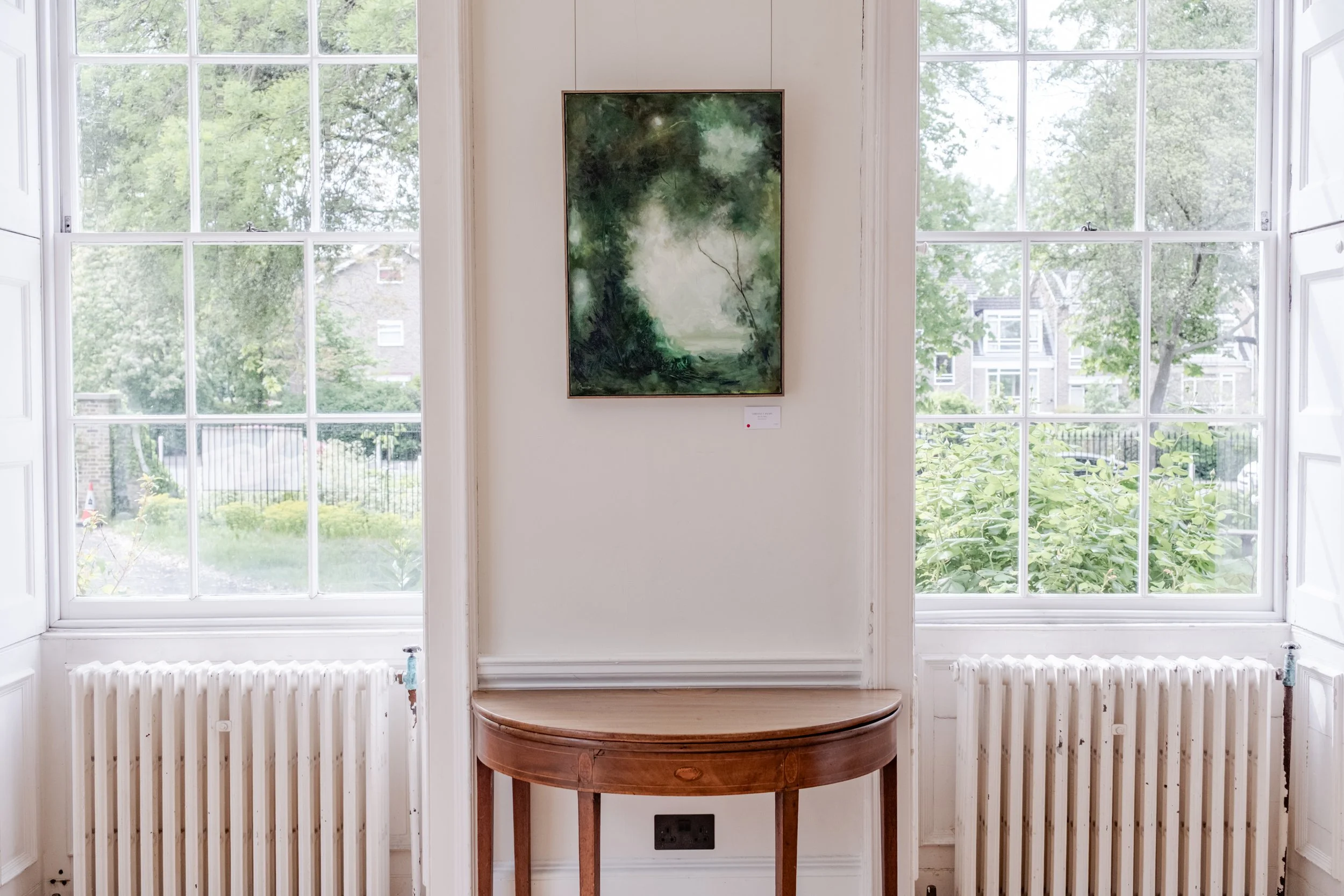
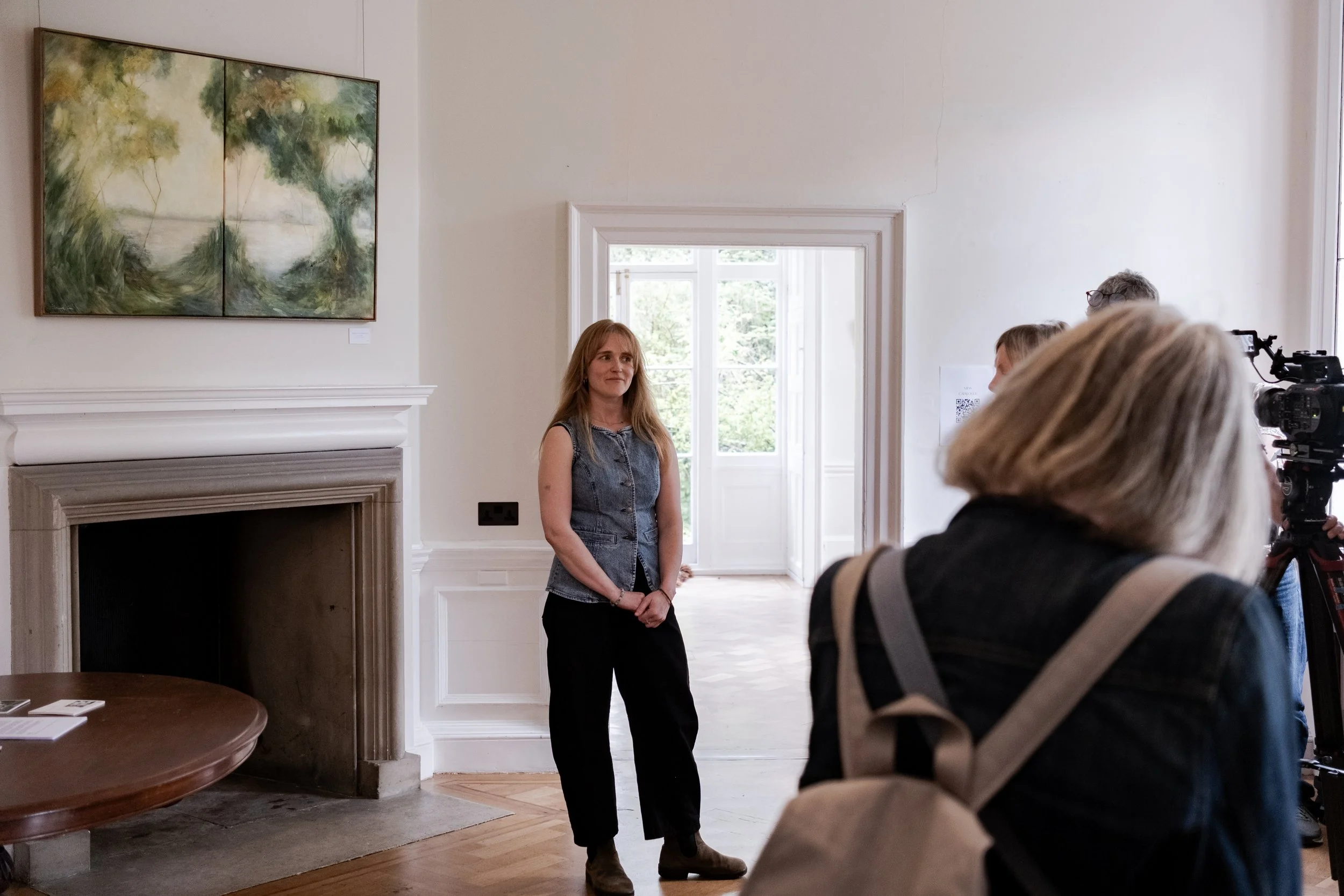
Viridis marks Alexandra Oliver’s first London solo exhibition, presented at Bell House as part of its developing arts programme and curated by Lucy Macdonald. The exhibition brings together a recent body of oil paintings that explore the vitality of the natural world, rooted in the artist’s deep connection to the Suffolk landscape.
‘Viridis’, Latin for ‘green’ and the origin of ‘verdant’, brings to mind abundant vitality and enveloping woodlands central to this exhibition. Oliver’s work explores the animate and flowing energy that exists within the natural world, embodied through memory and a sustained relationship with place.
Her practice is grounded in the woodlands of Suffolk, where walking has become a daily ritual that informs her work. She captures her surroundings initially through charcoal, pastel and acrylic, responding directly to the shifting light and atmosphere present in nature. These studies are later developed into oil paintings on canvas, using layers of paint to build depth and luminosity, and enrich the surface with a subtle vibrancy.
Drawing upon the traditions of eighteenth- and nineteenth-century British landscape painting, particularly Constable, Gainsborough, and Turner, Oliver’s work retains a strong representational sensibility. Rather than depicting specific locations, her paintings are shaped by memory and instinct, combining figuration and abstraction to evoke the essence of a woodland environment. Through intuitive mark-making, she creates immersive spaces that reflect a living relationship with the landscape.
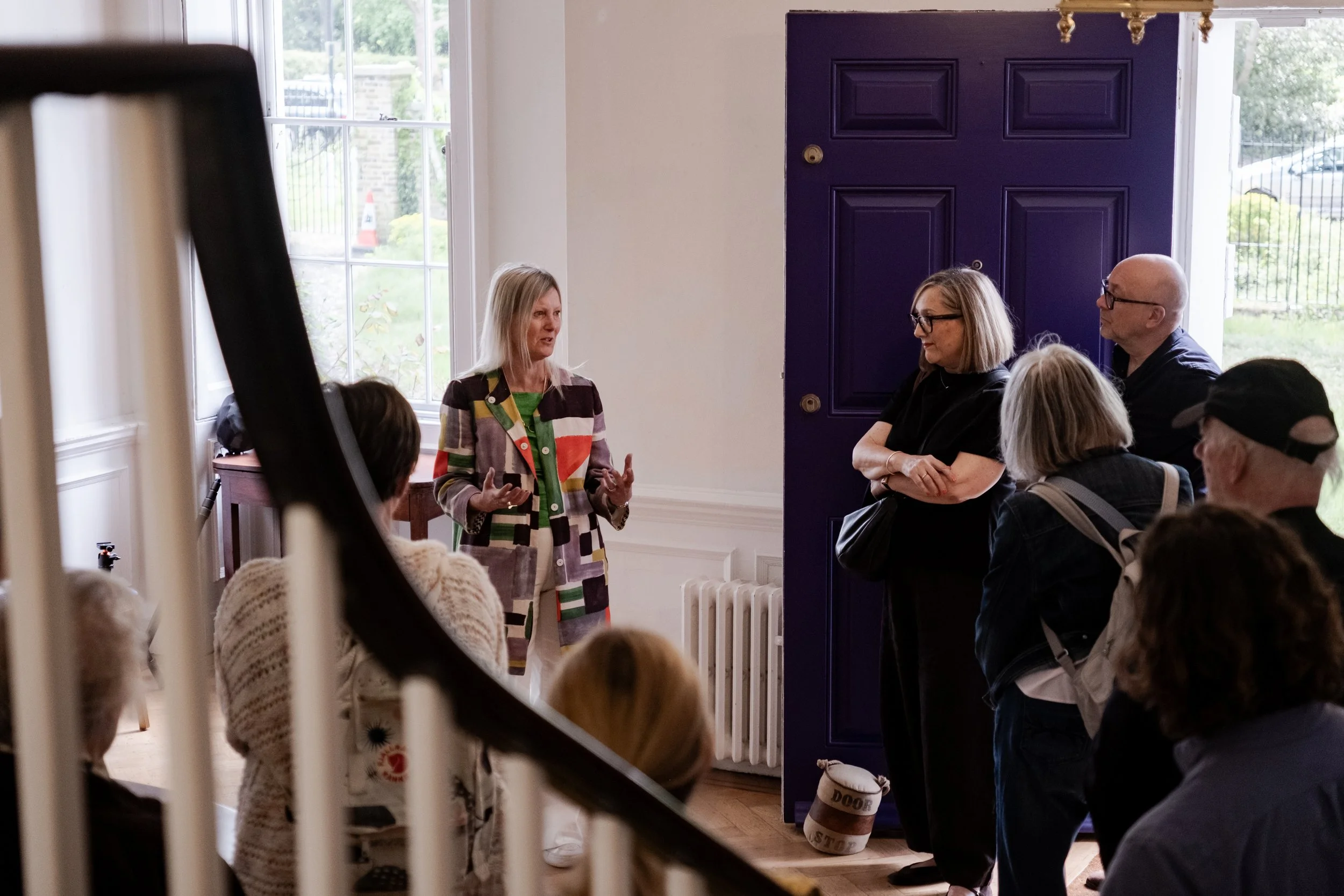
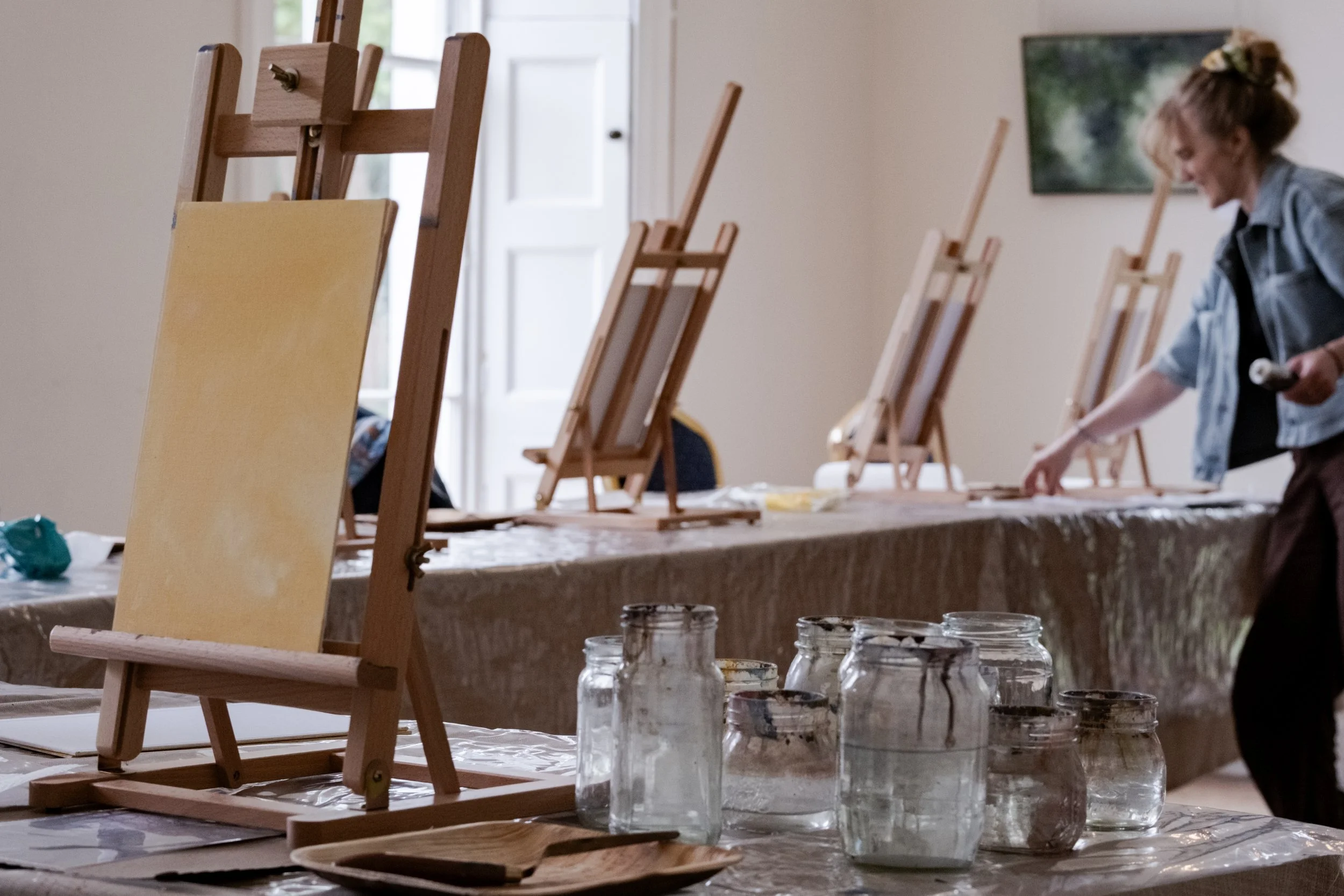
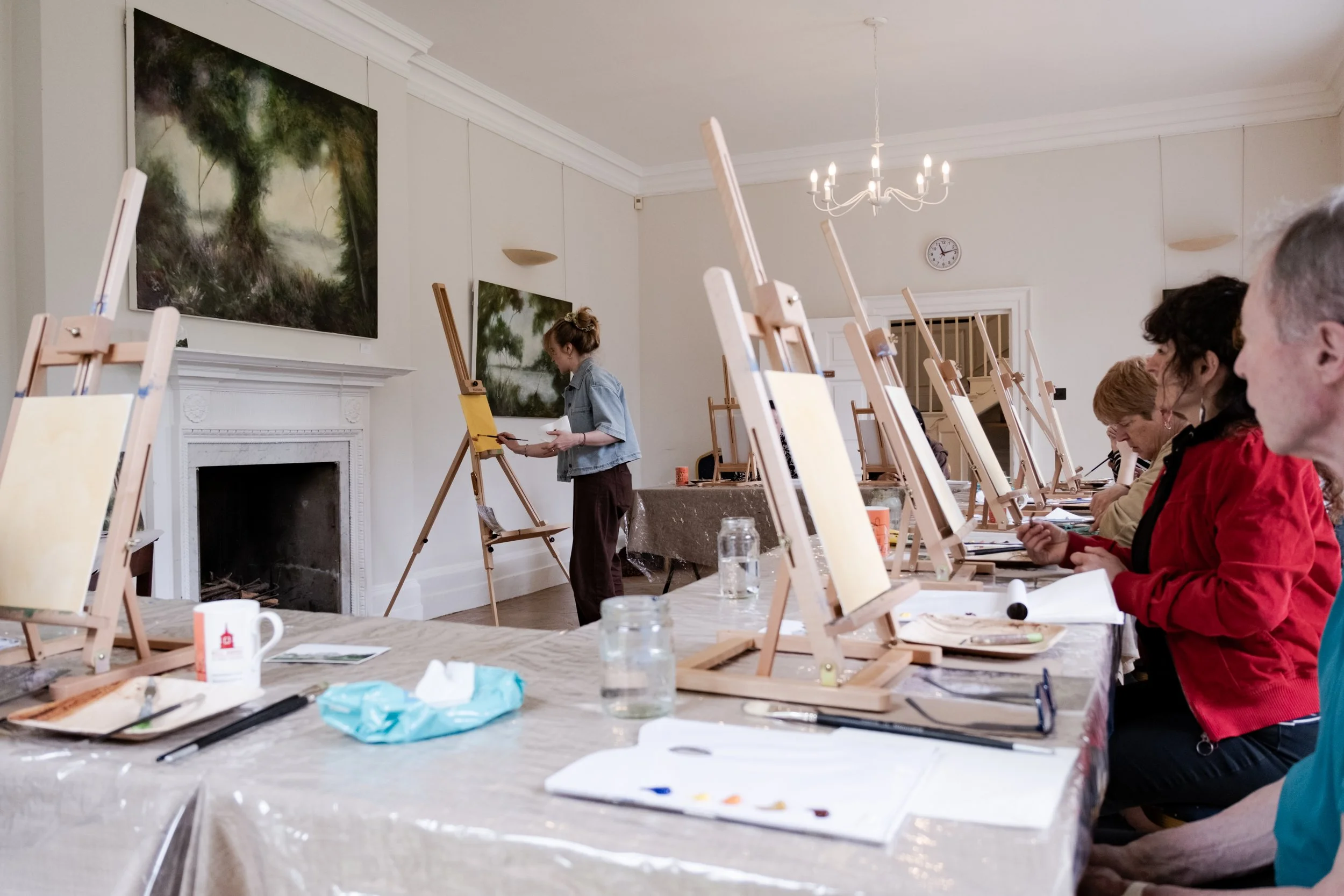
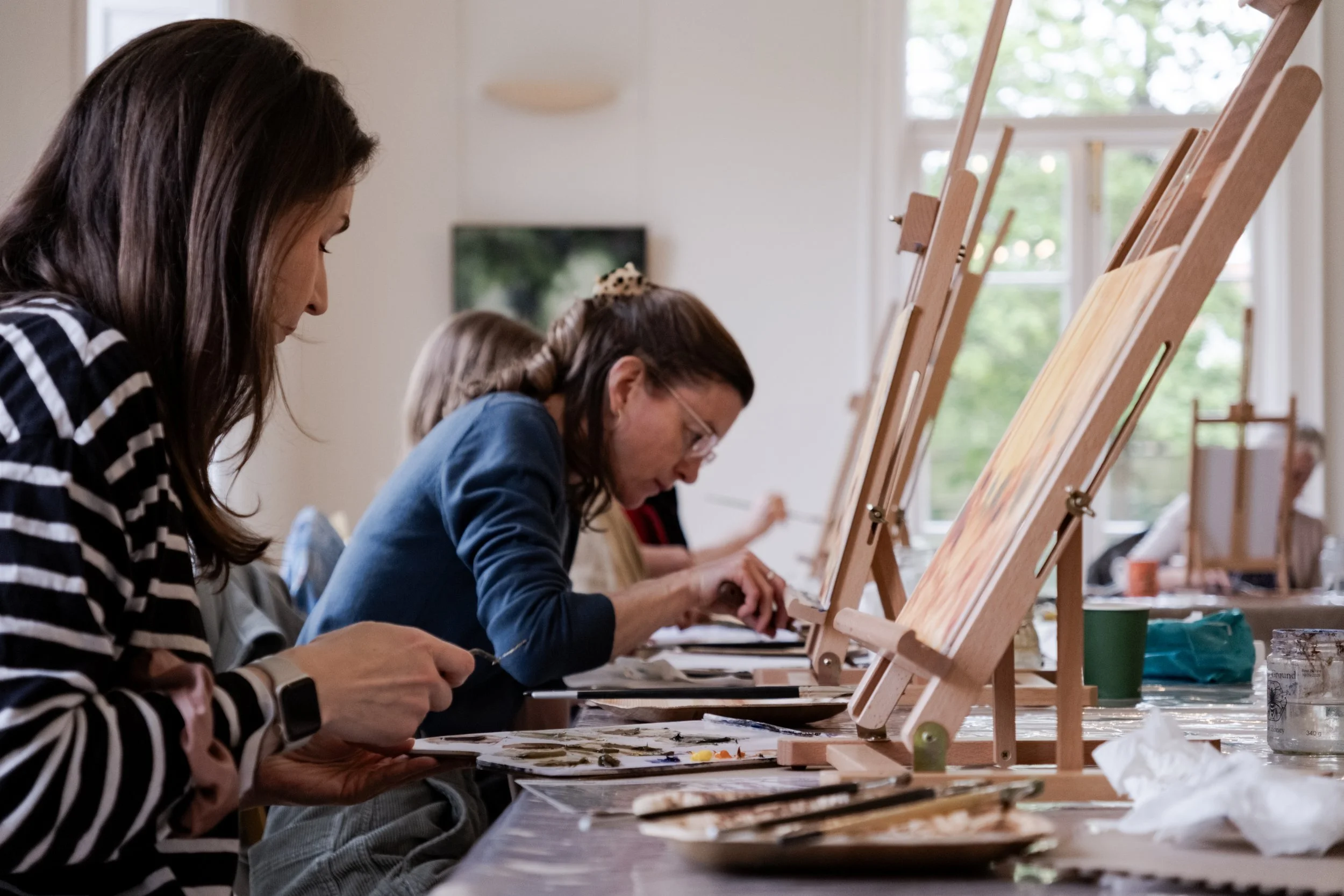
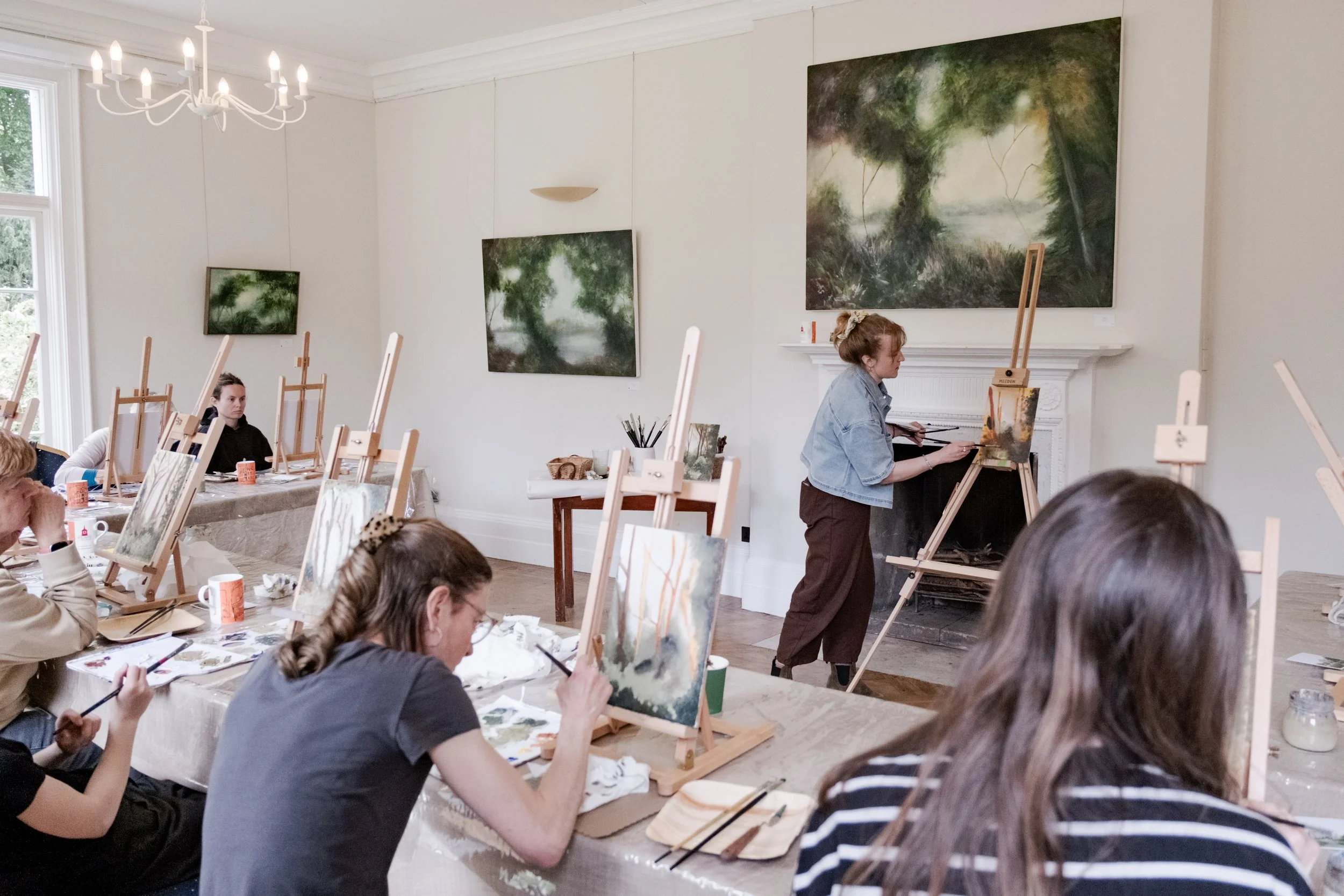
An artist talk and workshop will accompany the exhibition.
An additional objective of Viridis is to raise funds for Bell House Readers, a volunteer-run adult literacy charity. A proportion of proceeds from the exhibition will be donated in support of this work.
Alexandra Oliver is a Suffolk-based landscape artist. She holds a BA in Fine Art with History of Art from the University of Leeds, trained in classical techniques at the Florence Academy of Art, and completed her MA in Fine and Decorative Art and Design at Sotheby’s Institute of Art, London.
Exhibition Archive
Curator statement
I first encountered Alexandra Oliver’s paintings while visiting the Old Jet studios in Suffolk. I found the work compelling; I couldn’t get them out of my mind or understand why I was so attracted to these landscapes.
Oliver’s paintings are packed with dynamic, swirling forces that visually recall nineteenth-century Romantic landscapes; however, the reference is less a direct quote than something which surfaces through her practice.
I’ve always been interested in the artist process, specifically in relationship to craft and material-led practice, and it was this that led me to appreciate Oliver’s gravitational pull back to traditional oil painting techniques. And, to pose the question as to why a contemporary artist was adopting a similar approach to their practice as a craft maker, and whether this was unique or a sensibility that was a growing preoccupation in the art world.
“Artists have always recycled their era’s “Old Masters”: the Romans quoted the Greeks, Rodin studied Michelangelo, and Picasso returned to Rembrandt. Whilst the prevalence of these relationships has ebbed and flowed over time, there is an increase again with emerging and established contemporary artists with the [Americas] and European art history…”[1] The Tate Modern are currently hosting major solo retrospectives of both Tracey Emin and Frido Kahlo highlighting their shared "bravery and raw innovation" but, also underscoring this lineage almost as strongly as the work itself.
So, arguably, Oliver’s interest in traditional oil painting aligns to the art world’s renewed interest in the past. She not only borrows and amplifies J. M. W. Turner’s palette - not so very different from his late chrome yellow abstract work recently seen in the Tate Britain Turner and Constable exhibition - but his working method: alla prima (wet-on-wet) passages, along with his embrace of pentimenti as evidence of thinking on the canvas.
Both Turner and John Constable had an extraordinary ability to capture the translucency and complexity of their ephemeral landscapes through the process of glazing and informed by colour theory, and like them Oliver’s compositions are built layering numerous coats of paint, a cycle of adding and taking away, revealing and concealing.
And, yet Oliver’s paintings also have a gravitational pull forward to the now, these landscapes, in saturated vivid greens, feel relevant and familiar to me – perhaps a connection craved, subconsciously or otherwise, in the midst of busy, fast-paced, information overloaded lives, many of us are living through.
Lucy Macdonald | 10th March, 2026
[1] Why Ultra-Contemporary Artists Are So Obsessed With Old Masters by J.Cabell Ahn, February 13th, 2026, artnet.