Bell House Spring 2024 Newsletter


The four seasons of 2023 have flashed by! We are so excited to bring you our second Spring quarterly newsletter with four new Bell House articles which we really hope you enjoy reading.


Magic can happen in a Shared Reading Group

During lockdown in 2020, Bell House hosted an ‘Elevenses’ coffee morning on Zoom for volunteers to chat and support each other. At one of these meetings, they were introduced to Ben Abel and the concept of “Shared Reading”.  And so the Bell House “Shared Reading Group” was born. As a long term member says: “It saved my sanity during lockdown and was great fun.”

The reading group is now run by Guilia Cellerini who joined Ben in the early days, then subsequently took on the role of host. Giulia is a recently-qualified Primary teacher working in Kennington. But what is really fascinating is how she became involved in Shared Reading.

After reading English at London University, Giulia was applying for a PGCE teaching qualification and wanted to strengthen her personal statement. Her professor recommended that she look into the charity 'The Reader'.

The Reader is a national charity, originating in Liverpool, that wants to bring about a Reading Revolution “so that everyone can experience and enjoy great literature”, which the charity believes is “a tool for helping humans survive and live well".

It is free to all and available to everyone. The charity reads with schools, families and looked-after-children, adults in community spaces, people in care homes, people with physical and mental health conditions, those coping with or recovering from addiction, and people in the criminal justice system - globally.

The Reader has extensive reading resources but groups can also choose their own pieces. The meetings happen in all kinds of places - libraries, community centres, shops and high-street cafes and in the case of Bell House, on-line.

Research shows Shared Reading improves wellbeing, reduces isolation and helps us find new meaning in our lives. 

“Hearing others read aloud and taking time to pause and reflect, is a therapeutic experience.”

”Shared reading supports me through difficult times.”

“Reading together, you can end up sharing things that you may not share with others - you’re not hiding these things - they just haven’t come up before.”

Giulia successfully applied to The Reader, was trained and then was recommended to Bell House in 2020.

Her groups are small; she has some regulars, others drop in. One regular lives alone and values the company; another is unable to leave her home; and further afield there’s a regular attendee from Canada, who joins the session at 5am in the morning. This lady is always very relaxed, she may be looking out of her window sipping a coffee and may or may not participate vocally - but she tells Giulia she very much values the group. There are even drop-ins from North America, India, Sri Lanka and Eastern Europe to name but a few!

Giulia says that the most popular reading subjects are about Nature, Familial Relationships and the Emotions of Love - so very much reflecting lived experiences. As one of her regulars says: “I love the varied programme with lots of literature I would not have known about.”

When asked about her feelings on her Shared Reading group, Giulia says: “I surprised myself. I have found that I get from these sessions exactly what the groups are set up for - a feeling of community and a coming together for the pure joy of reading. Sharing a poem or a short story creates precious moments of connection and intimacy - the impact of shared reading is profound.”

Bell House Shared Reading sessions are run on a Wednesday at 6.30pm  - March sessions 13th, & 27th. Why not drop in? You just need to register and the sessions are free.

As Giulia says: “Something magical happens in a shared reading group.”

Click here if you’d like to learn more about The Reader charity and maybe get involved.


The 2024 plans for the Bell House Garden are “the bee’s knees!”
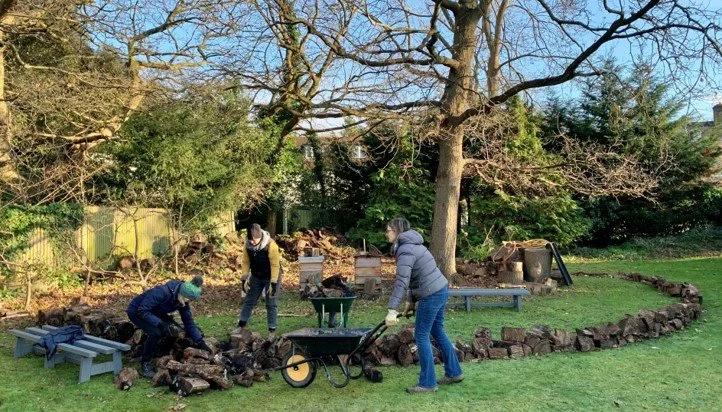
Plans for the Bell House garden are mind-blowing - in fact we think they’re the bee’s knees! Just read on to learn more.

The 2.5 acre site at Bell House provides the garden team with plenty of scope to create a range of habitats for wildlife and different garden spaces for visitors and volunteers.

Work began in the autumn to create a series of new flower beds around the main lawn to be filled with plants for pollinators. Paths will take visitors through drifts of bulbs, perennials, grasses and shrubs specially chosen to provide pollen, nectar and year-round interest.

Volunteers will learn to grow the plants from seed, cuttings and small plugs, potted out and brought on in the polytunnel.  

Hornbeam and yew hedges will frame the beds, providing a backdrop to the planting and a shelter point for birds foraging in the garden whilst lavender will surround the terrace to bring colour and scent to attract pollinators.

A new native hedge will be planted in the Pickwick garden, with willows and dogwood to soak up the ground water.  The plants are part of a grant awarded by The Tree Council to support community engagement, enhance wildlife and education around on-going care.  

Parts of the Pickwick garden are very wet after the winter, so swales will be dug to allow water to collect naturally, creating temporary lagoons now and sunny hollows in the summer.  Soil removed will be left exposed as banks for mining bees to tunnel and nest.

The Bell House honeybees are now settled in a new apiary under an oak tree, surrounded by a low log wall built by the volunteers - see photo above. All fallen branches and cuttings are kept on site and added to log piles and the stumpery.

The stumpery, built by three keen volunteers, is made of logs half-buried in the soil to provide a valuable resource for beetles, woodlice, wood wasps and other insects who need deadwood for survival.

In the walled garden, the vegetable beds have been mulched and weeded, ready for this year’s growing season.  Two new apple trees, a morello cherry and mulberry have been planted in the orchard.  Each has been chosen by our visiting orchard expert to cross-pollinate with our existing trees and be resistant to disease.  Heritage varieties were chosen, which could have been planted by the Victorian owners when the new servants’ wing was added to the house.

Come and see the garden and our plans for 2024 on the first Saturday of every month, 11.30pm to 1.00am. And if you have been amazed by what you’ve just read and would like to get involved, do check out our volunteer programme using the links below or email direct to: [email protected]

Photo: Sara Lloyd


Bell Health - here to help

Is there a health issue you’d like to talk about with an expert and fellow sufferers - to learn and share knowledge and experiences?

Bell House is renowned for its support of Dyslexia - in fact it was the raison d'être for the original conception of the charity. Over the years there have been so many other different health initiatives for the body and mind. For example, Bell House is currently offering a course on menopause and have a talk planned on men’s mental health in April.

Bell Health is a new team tasked with further developing health support and events at Bell House, with an important focus on demand from the Bell House community.

In fact a perfect example of what Bell Health plans is the current ‘Menopause Connections’ - an Holistic Approach to Menopause, proudly presented by a team of local menopause practitioners. Menopause Connections covers nutrition, fitness and pelvic health, as well as medical and natural approaches to managing menopause symptoms. Take a look online to get an idea of how it is being run. The feedback has been very positive: ​“What a great session, so informative.” and “The best talk on menopause that I’ve been to. Informative and clear.”  The course will be a template for future events. 

So what would you like to learn more about? Anxiety or depression; sleep issues; coping with arthritis; dealing with IBS; building greater self confidence; dermatological problems; loneliness; the list is endless.

Bell Health's aim is to create a safe space at Bell House to run support groups with a common health issue  - where attendees can learn from an expert, feel comfortable asking questions and, as a result, share their experiences. When you’re part of a community, you not only learn more about the subject but also more about yourself. 

As this initiative is demand-led - we are dependent on you talking to us.  We need to hear from members of our Bell House community - that means we need to hear from you! Use the link below to contact Bell Health. Please take a little time to tell us about the health issues you’re interested in, or to tell us about any specialist subject support you could offer:  [email protected]

Please help us build a thriving Bell Health community at Bell House - we’re here to help.


Exiled for a coat!
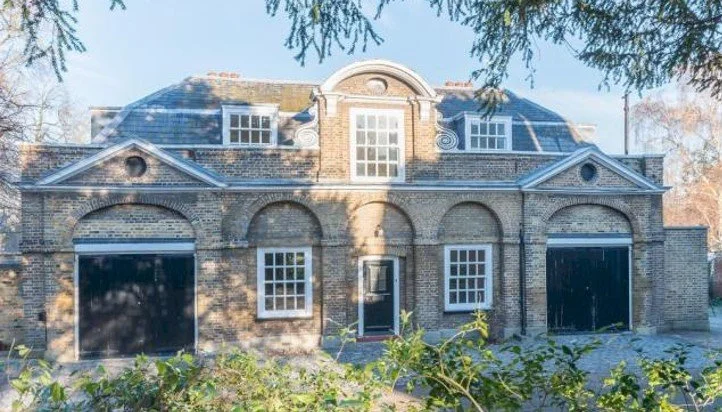
In 1769 James Simpson was accused of stealing a livery coat, valued at £1 (about £140 today), belonging to Thomas Wright’s coachman and left in the coach outside the Bell House stables, which are shown in the photo above.

Simpson was foolish enough to offer the coat to a clothes dealer in Paternoster Row. At that time, old clothes were sold there as it was the centre for the paper trade, in times when paper was made from rags.

Unfortunately for Simpson, Paternoster Row was the very place where paper merchant Thomas Wright worked. So Simpson had taken the coat to the one place in London (apart from Dulwich) where Thomas Wright’s livery would be recognised. Added to that bad luck, he offered it to someone who was an off-duty City of London policeman.

Simpson was duly arrested and sentenced to transportation to the American colonies - all for stealing a coat!
 

Dulwich Players - A Private View - A sell out!

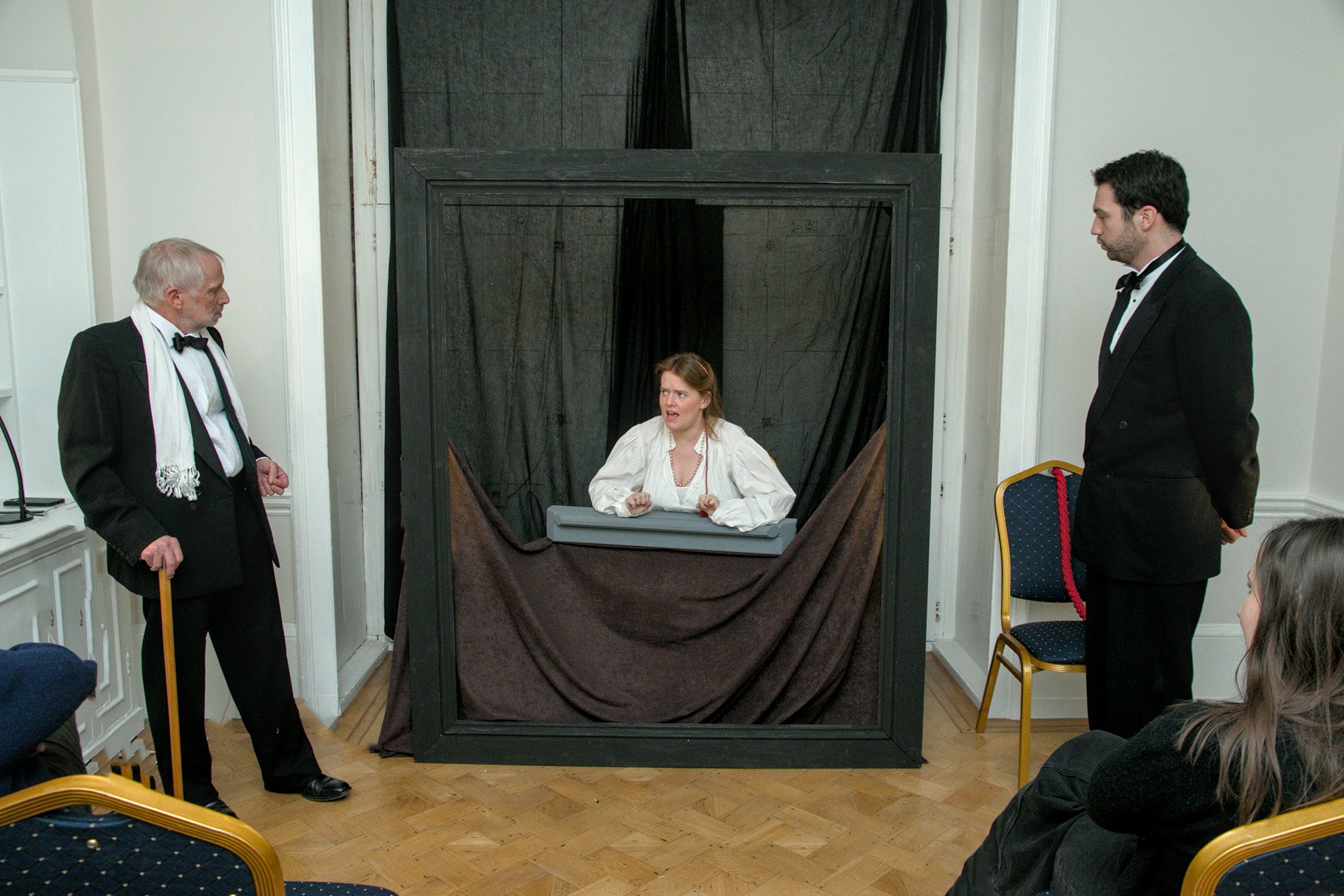
Could the Dulwich Players match last year's festive offering, the beautifully staged Christmas at Bell House? They could and they did. A Private View was a promenade around the roomsof Bell House, watching Picture Gallery paintings come brilliantly to life and tell their stories, and making full use of Bell House’s architecture and atmosphere.


From the moment we crossed the threshold, we were in a post-WW2 Bell House, enjoyingmulled wine and mince pies while listening to a cocktail pianist. Then Sir Gerald Kelly, President of the Royal Academy, and Anthony Blunt, Surveyor of the King’s Pictures (cue laughter from the audience who knew he was also moonlighting as a Soviet spy at the time), explained that we would see four vignettes based on Gallery paintings that had been storedand repaired at Bell House after their wartime evacuation to Wales. Following a surprise visitfrom the Queen (later the Queen Mother) who graciously met some audience members, we were divided into four groups and ushered into the plays.

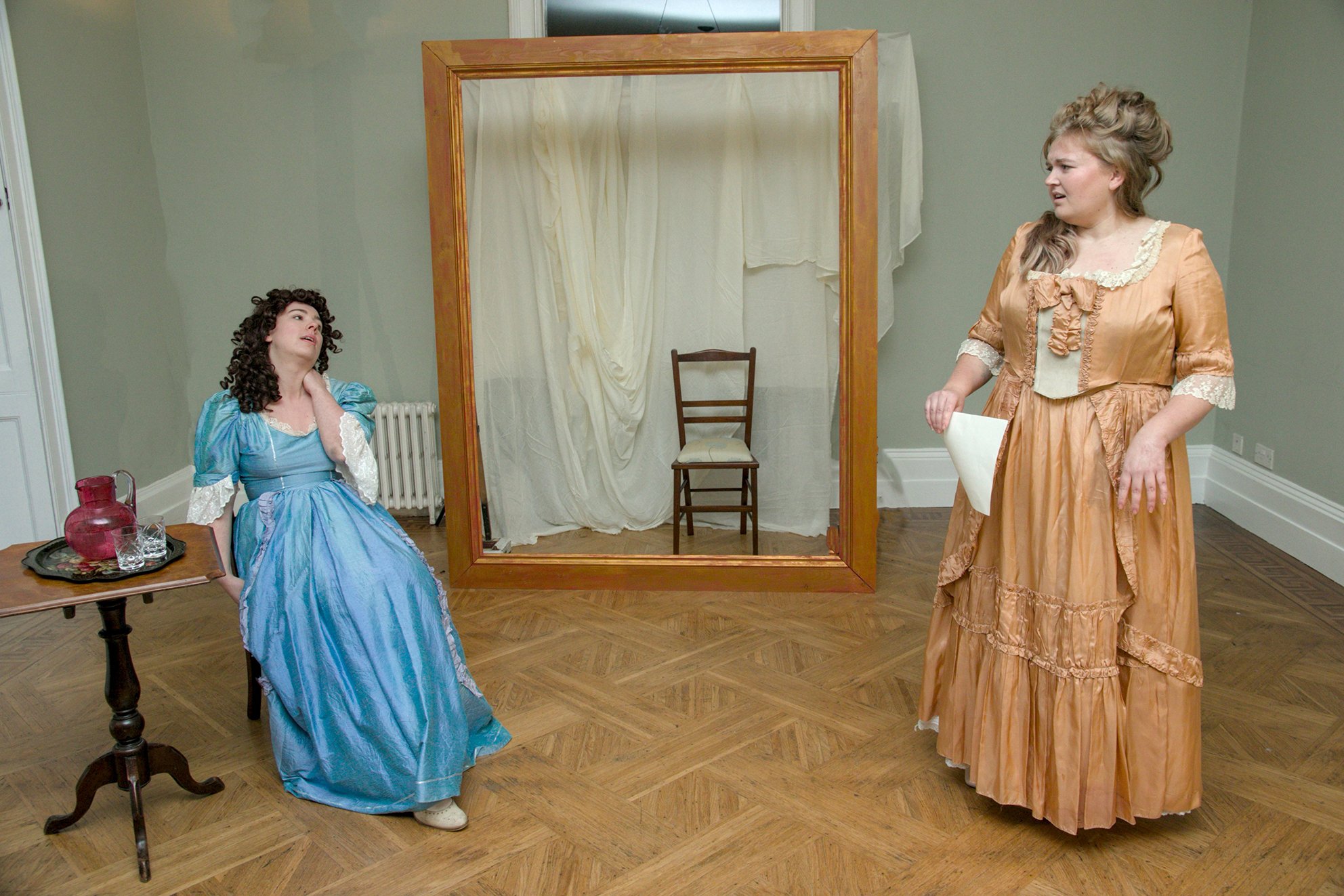
As we walked into the first room, we saw an enormous frame, with Rembrandt’s ‘Girl in the Window’ within it and two figures standing outside discussing the painting’s subject. We laughed as the Poussin expert Sir Guy Cairncross fawned over a Woosterish Lord Lamptonde Worm, who beseeched him not to be so formal: ‘Just call me Sir’. But then we watched as the Girl came to life and rolled her eyes at Sir Guy’s objectification of her looks and dismissal of her views because he had assumed she was a working girl or a prostitute. Cairncross’s views led to even the seemingly hard-of-thinking Lampton trying to speak up for the Girl, at which point we silently cheered as she took the narrative into her own hands with a loud ‘Enough!’. The scene ended as she told the two men who she really was but as she whispered it to them, we only have their impressed reaction. Perhaps they’ll listen before opining in future.

The second room held Gainsborough’s ‘Linley Sisters’. They stepped out of the frame, at first bemoaning the length of time they were having to pose, then moving on to discuss their concerts and Eliza’s slightly rackety private life (should an unmarried girl even have had a private life in 1772?). These musical sisters were beautiful, well-paid celebrities yet in their conversation we recognised themes such as their lack of agency, their dependence on others for money and their reputations being carelessly traduced; themes mirrored in literature like Pride and Prejudice and even in today’s world, with Britney Spears’ conservatorship. Mary lightened the mood by singing and Eliza joined in, their beautiful harmonies brought the vignette to an end.

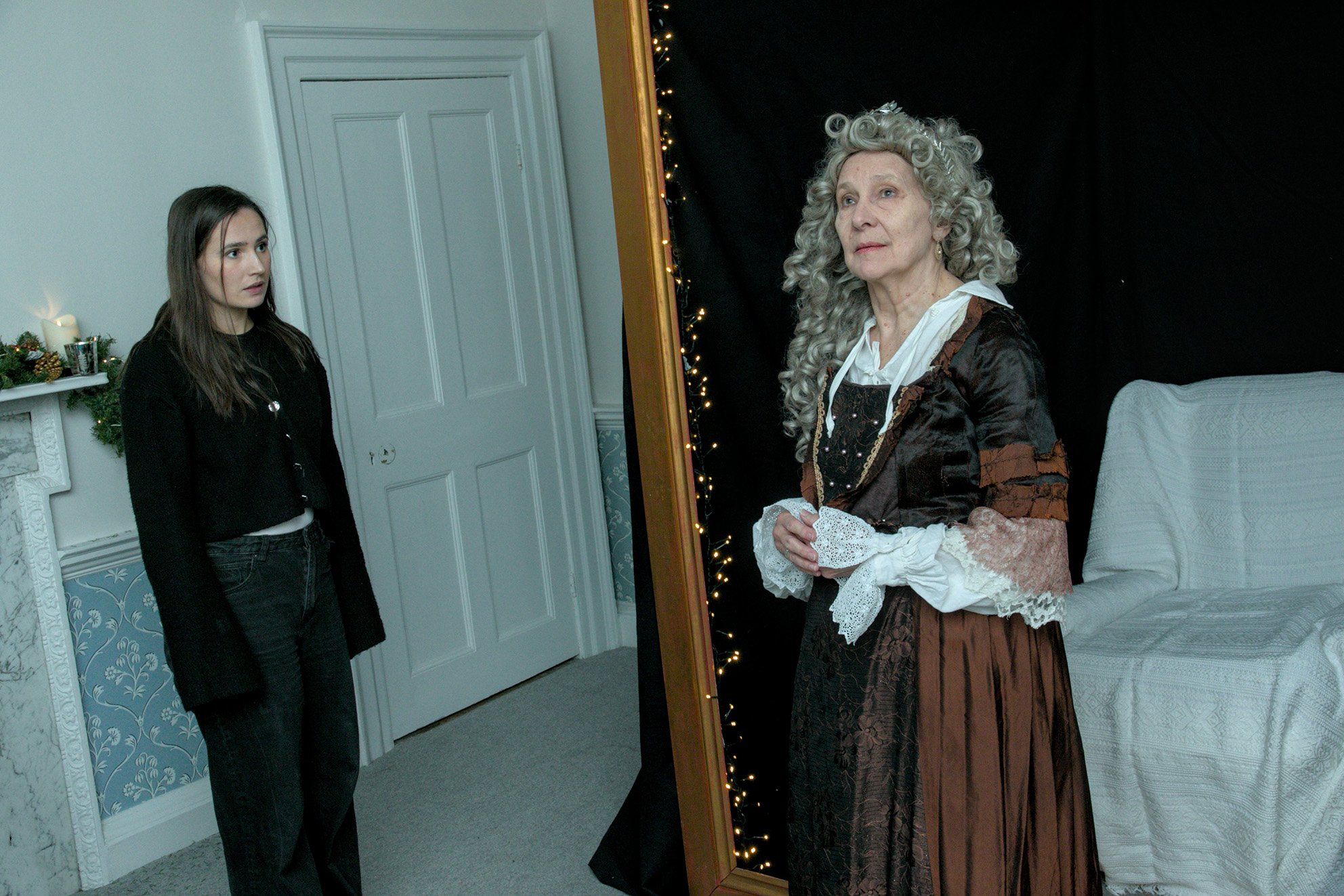
Moving upstairs, we walked into a darkened room where Sarah Siddons, The Tragic Muse, sat behind her frame. Macbeth, her greatest role, was being filmed in front of her, with the actress playing Lady Macbeth, the director and the producer becoming increasingly at odds about the film’s direction until the production broke down completely, at which point Mrs Siddons crossed the frame to rescue the film. The Gallery’s painting is a 1789 replica, the 1784 original is in California, so we now had the delightful development that the Californian Mrs Siddons (much younger and more glamourous and, well, American) followed her out of the frame. There followed some quick repartee, including quotes ranging from Hamlet to Star Trek Next Generation then with the explanation that anyone can step into a painting, ‘relax’ and be absorbed into it leading to the director being tricked into assuming Mrs Siddons position while she became the actress (‘never actor’) and the actress became the director, not that the Tragic Muse needed direction.


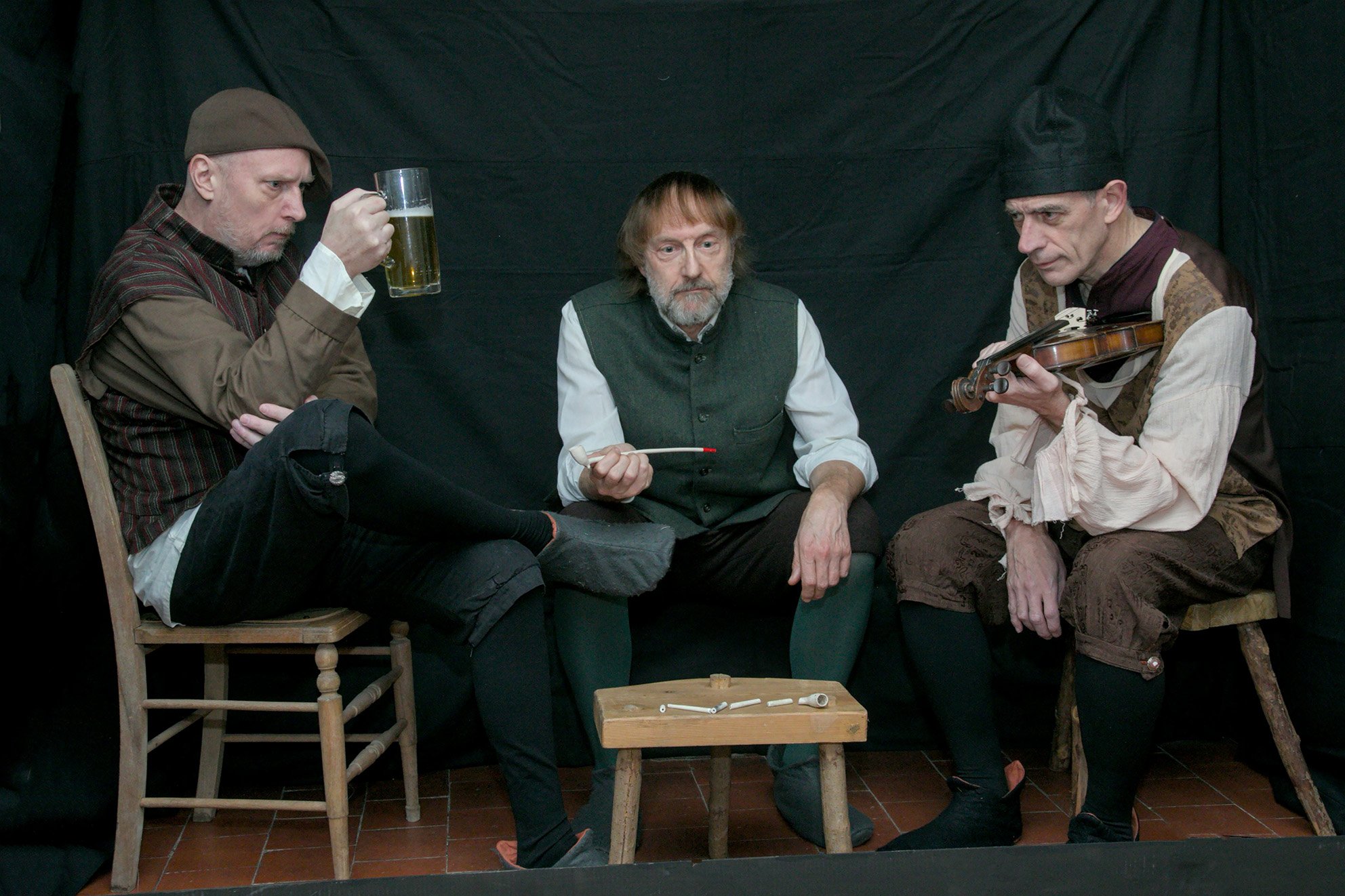
The final painting, ‘Three Peasants at an Inn’, is the only painting not currently on display at the Gallery which didn’t matter as the Players staged it so that we know exactly how it looks. It was being explained to the Queen by Mrs Newton-Sharp, a society lady and keen amateur art historian (her day job was at Harrods). The Queen was given the conventional discourseon this type of painting: ‘a motley slovenly crew’, a display of peasant foolishness and self-indulgence with drunkenness to the fore. Unlike the other vignettes, nobody noticed that the painting’s subjects could talk, allowing them to give a running commentary on thisdescription of their characters. As the women left, the peasants rose from the frame, stretched their limbs and explained that they were in fact a revolutionary, a scientist and a musician. Many of us in the audience will be looking at such genre paintings in a new way in future.


How lucky we are to have such paintings on our doorstep and such talented people as the Dulwich Players to bring them to life in this innovative way.

  Photo credit: Ian Jones

Bell House Winter 2023 Newsletter


Welcome to the fourth of our seasonal newsletters. In this Winter edition, you’ll find a selection of recent news and updates from Bell House, which we hope you will enjoy!


The Illusioneer at Bell House

12 years ago Barrie Westwall was tempted by a local businessman to take over a small shop, tucked away at the bottom of Half Moon Lane in Herne Hill. It became ‘The Illusioneer Little Theatre and Studio’ - you may have visited it - but sadly it’s now closed. Nowadays Barrie hosts a wealth of events both private and public. He’ll be performing at Bell House this Christmas - Barrie is The Illusioneer!

Barrie’s speciality is getting the audience participating, inviting them into the illusion and leaving them pondering: “how did he do that?”

Barrie has a career in media and his particular expertise is helping organisations communicate better - both with clients and with their own people. But how is this pertinent to Puzzles, Illusions, Minds and Magic? 

“Well magic goes back to ancient Egypt, if not further, when priests and shamans used illusions to establish their power behind the throne." he says.

He uses his skills as an illusioneer to illustrate how to stop people in their tracks, encourage them to question their views and as a result help them see another way forward.

Barrie says: “Magic has always been used as a source of influence, but also at another level, in street markets to gather crowds and sell stuff. That’s a big intellectual range.”

As a dyslexic he was labeled lazy, even slow at school. Thankfully attitudes have improved in recent years but there is still a lot of work before the true value of dyslexics is understood. As Barrie knows, dyslexics think about things differently and this has helped his life as an illusioneer.

He has a long association with Bell House, in fact when it was a private residence, he performed at a Victorian Evening with a cellist, an opera singer and his wife, Annie, the Bell House beekeeper.

You might be wondering who was the businessman that tempted him 12 years ago? Angus Hanton and as many know Angus and Fabienne are behind the magic of Bell House and all that goes on within.

So what about this year’s Bell House The Illusioneer Family Christmas show?

Well it’s just that! It aims to entertain adults and children alike with puzzlements and conundrums and inject a healthy dose of Christmas Magic to set us up for this festive season.

Come along and be confounded!


A first for Bell House - an Artist in Residence

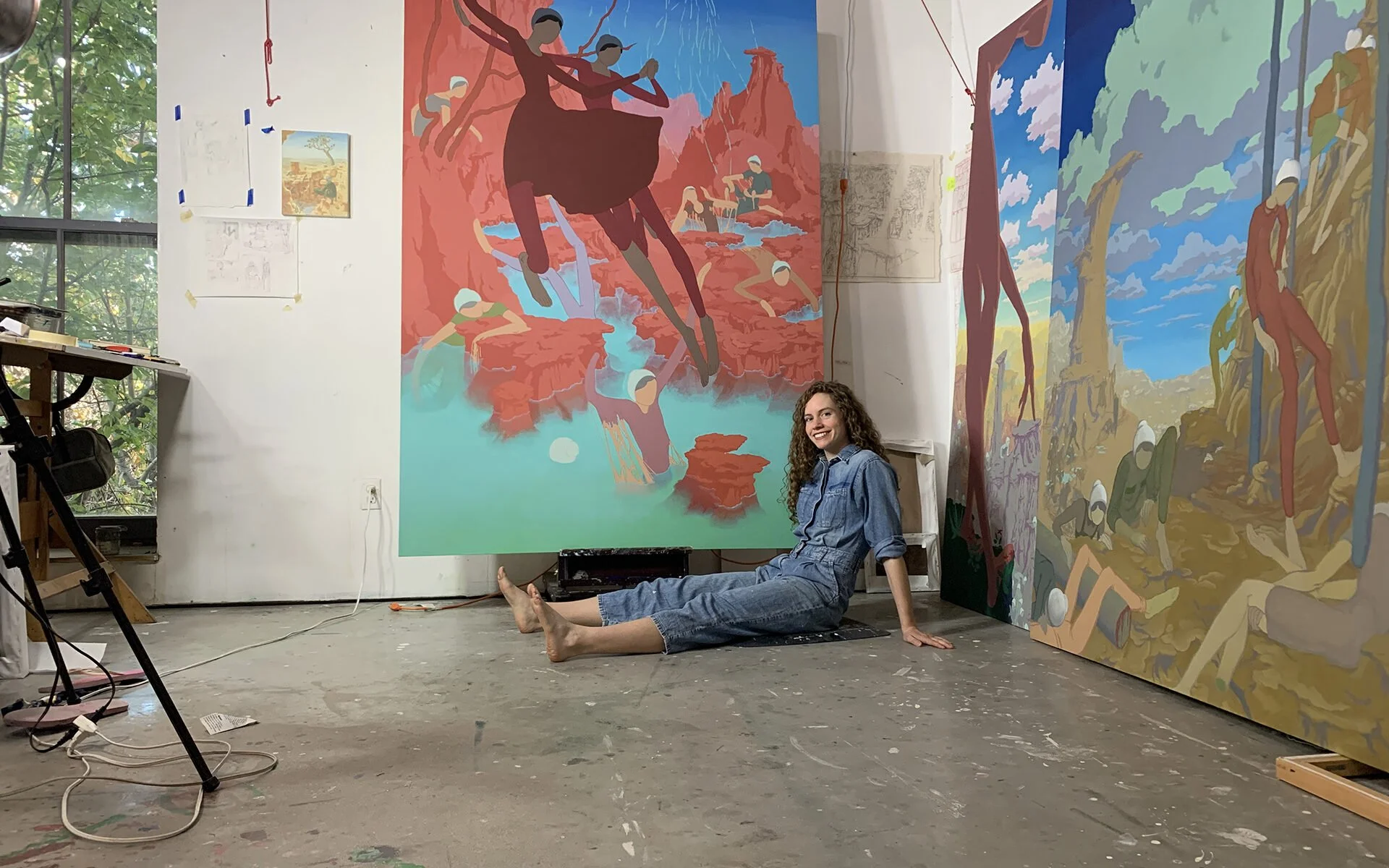
Bell House is excited to announce painter and sculptor Atalanta Xanthe as their very first Artist in Residence.

Atalanta’s role at Bell House will be twofold: as a teacher, running fortnightly art classes, and as a studio artist, producing a series of paintings at Bell House, inspired by the Bell House garden and the nearby Dulwich Picture Gallery - these works will be exhibited at the end of her residency.

She will help to promote Bell House as a place to come, learn and experiment, encouraging independent production of individual art. 

Having taught a range of people, from Masters Art students, to children aged 5, to adults who haven’t picked up a pencil since they were 5, Atalanta is excited to bring her experience to the Bell House community. She’s particularly excited to run classes targeted at young people: “Having access to inexpensive life drawing classes as a teenager was a game-changer for me. Not only was it the first environment where I felt taken seriously as an artist, but seeing so many body types in a non-judgemental context gave me a healthy relationship with my own body-image”. As a dyslexic, she didn’t learn to read until she was 7 and so she understands the power of creativity to help express yourself when struggling with the 3R’s.

Xanthe is an internationally exhibited painter, whose most recent show comprised layered, fantastical paintings which she makes based on large cardboard theatre sets she builds in her studio. Her background in painting at Oxford, Sculpture at the New York Academy of Art, and a decade of life-drawing practice have given her a wide-ranging technical skill-set she’s excited to share with the Bell House community. 

She’ll be opening her studio, in the Barclay’s room, every Thursday, so stop by if you’d like to get a glimpse of her process. 

All in all, Atalanta is the perfect ‘afflatus’ for Bell House - the perfect creative inspiration.

Follow the links below to learn about Atalanta and view more of her work:


“It was the woodlouse that started it.”

Annie McGeoch, better known as the bee lady here at Bell house, tells us about a school enrichment day last September.

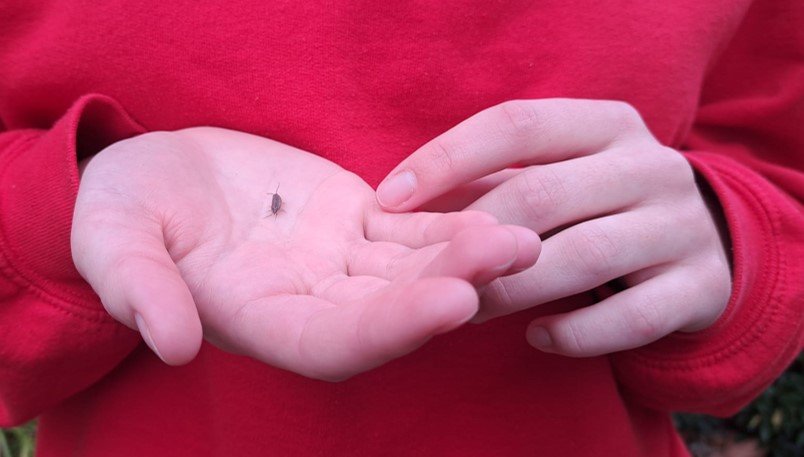
“It all started when a little boy wanted to hold a woodlouse. I was walking around Bell House woodland garden with a group of 18 children. We found a woodlouse instead of a hedgehog on our nature walk and picked it up to have a look. There were several children who had grandparents with gardens and were clearly articulate and knowledgeable about insects. The children were excited but in the large group of 18, not everyone could get close.

For example there was one boy at the back of the group who was desperate to look. He wanted to hold the woodlouse and had never seen one before. I explained that they were alive in the dinosaurs’ era and he was amazed to be able to hold this tiny insect.”

That’s when Annie decided to commit to holding sessions for the non-assertive children. She is having meetings with the head of school and several teachers and they are busy identifying children who they say need nurturing .

Annie learnt another valuable lesson when she was working with the School Food Matters charity at the apiary at Battersea Park Zoo. She takes small groups of five children, suitably dressed in bee suits to see honey bees in their hive. She tells us: “We take a frame from the hive and the children get to hold the comb of honey and look at the bees close up. I talk about how the life-cycle goes in the colony and the children ask lots of very good questions. They leave buzzing with knowledge and a small jar of honey.”

In one of these sessions, a teacher came to her and said she had been surprised by one of her pupils. The teacher knew the child spoke to her parents at home but hadn’t spoken in school since lock-down - and yet this pupil had asked a question. Annie says: “I can only assume my more relaxed approach and everything being so different from a usual classroom lesson, the child felt brave enough to speak.”

The Bell House School Enrichment Programme plans to work more with children who deserve to come to a safe place where they can be brave and ask questions and find things out they didn’t know before. A centre for wider learning. The team want these sessions to steer right away from school subjects and activities and be about finding out and looking and talking. Bell House is not school and is not home - it is a safe place - especially for children who are struggling.

As Annie say: “If you live on the 20th floor behind Kings College Hospital there are no woodlice or snails and certainly no hedgehogs!”

And what sort of fun info do the children learn on one of our days? Well a woodlouse has some cute nicknames - Bible bugs, Cheesy bugs, Coffin-cutters and Tiggyhogs to name just a few.


Grow a Pair ….. of Ears!

The following article was written by Russ Kane OA - Dulwich College 1962 -1971.

In 1962, a time so far back now that it might as well be 1932, I was packed off to boarding school. This was particularly galling as my parents only lived in North London! The boarding house was, unsurprisingly, Bell House. 

It has now been restored to its rightful former glory and my visit in January 2023 was a revelation. It also laid to rest some ghastly ghosts and that day I felt an extraordinary seismic shift in my mental well-being. Now there were just beautiful rooms. The atmosphere was one of charm, elegance and care. Which leads me neatly to my point – the dire state of Men’s Mental Health in the UK.

In 2019 I was reviewing the day’s newspapers for BBC Radio. The main stories could have been anything, but they happened to be a report on the suicide statistics of men in the UK. I was astounded. 80% of suicides were men. The main cause, as stated in every paper, was that ‘men don’t talk’. Within 48 hours I met up with my two business partners, and we formed Men’s Radio Station, a year after the formation of the sister station, Women’s Radio Station.

Our goal was to create a non-judgemental space for men to discuss matters that affected them deeply, Fascinatingly, 50% of our global audience are women – a wonderful bonus. We are on-air globally 24/7 and are now the recipient of dozens of awards, attracting some of the greatest minds of the day to come on-air.

Positive Mental Health is a passion of mine. There is much to say and even more to achieve. Waiting lists to seek professional help are unacceptable and too many people are falling through the cracks. When I was invited to give a talk on the subject at Bell House I jumped at the opportunity. It’s planned for Spring 2024. In it, I’ll explore what has led to this crisis, how we can help on a practical level and how reaching out can be life changing. The message is ‘You Are Not Alone’.

The world of 2023/4 is unrecognisable to 1962 - and it’s accelerating. One thing that has remained unchanged, however, are the challenges that poor mental health and negative well-being can bring to absolutely anyone.

© 2023 Russ Kane


This comes with a Bell House health warning!

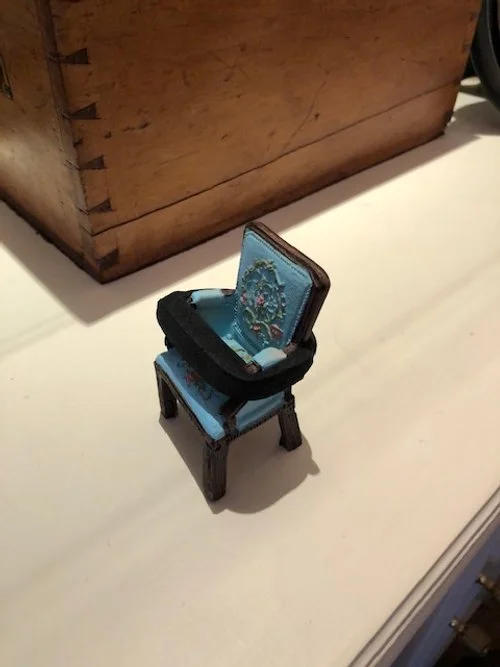
Anthony Harding, who lived at Bell House in the first half of the 19th century, opened the world’s first department store but during his lifetime his main claim to fame was as a ‘six bottle man’.

It was normal for rich men to drink two bottles of alcohol a night; three bottle men like Harding’s son-in-law were common and Pitt the Younger was known as a five bottle man. Six bottle men however were something else.

Not surprisingly Harding lost the use of his legs after drinking that much and had a special dining chair made so his footmen could carry him safely up to bed. One of our volunteers has made a model of the chair – look out for it in our Cabinet of Curiosities next time you are at Bell House.

Alcohol didn’t shorten Harding’s life though; he was 90 when he died in 1851. His coffin was ready and waiting: it had been made years before and kept propped against the wall behind his chair in the dining room.

And what of his son-in-law and Pitt? Alcohol certainly didn’t treat them so kindly - they both died aged 47.


Pottery Progress

The pottery is finally beginning to take on its true identity and atmosphere. The building is nearing completion, with windows now giving an open view of the gardens, and internal fixtures and fittings making it more recognisable as a studio. In case you missed it, our video telling the ‘Inside story’ of the pottery, in which I interview Ed Burgess, the architect, about his design, is still available on YouTube.

For those involved in setting up the courses, deliveries of equipment and materials over the next few weeks are adding to the excitement and anticipation of opening the facility and welcoming the first students.

August will be a month for fundraising to pay for some essential equipment such as the kiln, wheels and pug mill.  If you have expressed an interest in supporting the pottery in any way, whether as a volunteer or by making a donation, please click on the following link to be taken directly to our crowdfunding page.

On the practical side of things, we are delighted that a technician has been appointed to help with the smooth running of the courses.  Birgit, one of the tutors, has been doing an amazing job, leading on the practical development of the pottery. Among her many organisational tasks and despite all the work involved preparing for her own shows up and down the country, she is busy making plaster batts for future students to use!


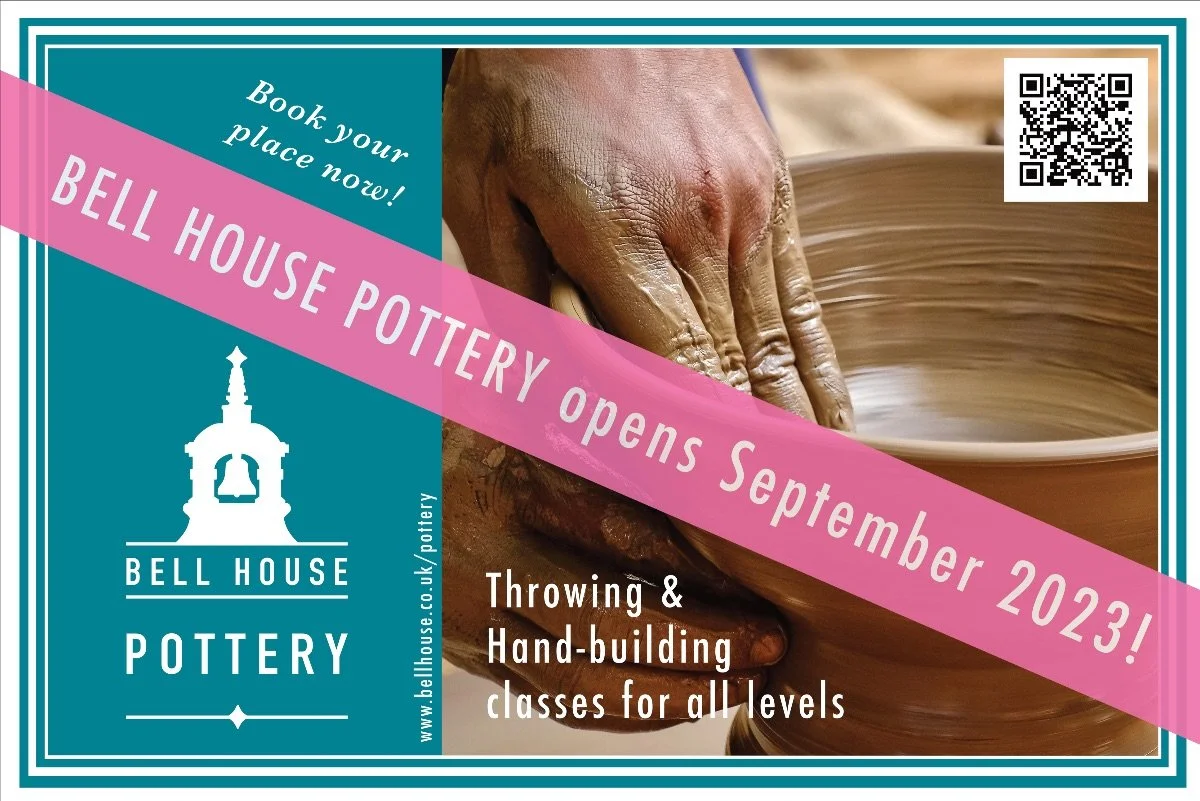
The pottery wheels and other equipment will be arriving at the end of August in good time for the pottery opening. The first courses will start on 19 September. In fact, plans are being developed as far ahead as Christmas, when we hope to join in the usual Dulwich Village festivities with a Bell House Pottery stall. There will also be some whole day masterclasses for more experienced potters. Watch this page to keep up to date with the new courses as they are finalised: www.bellhouse.co.uk/pottery

If you are still thinking about joining in with this new venture there are some spaces, particularly on afternoon sessions in the Autumn. Courses are also now available to book through to the end of November.

In the meantime, if you have already signed up for a class in September, a holiday is a great opportunity to find some inspiration for patterns and designs in objects and nature around you, as demonstrated in the design below- product of a holiday in Cornwall.


Pottery inspired screen print by Jim Belbin


The next news update will be the last before the opening. Time flies.

Jacqui Pick - Volunteer

August 2023

Bell House Autumn 2023 Newsletter


Welcome to the third of our seasonal newsletters. In this Autumn edition, you’ll find a selection of recent news and updates from Bell House, which we hope you will enjoy!


Spread the Word. Dyslexia is a Learning Difference.

Darwin told us: “It’s not the strongest nor the most intelligent species that will survive but those who can adapt to change”. This quote is regularly used to challenge businesses with the sign off - “can you adapt to change?”

Things have certainly changed and thankfully moved on from the early days of dyslexia diagnosis, when dyslexia was generally viewed through a negative lens. Instead of being perceived as a learning disorder, it is now more frequently accepted as a learning difference.

The strengths of the dyslexic brain may have evolved, as humans adapted to a changing environment. Darwin recognised that we need to learn new skills and acquire new habits in order to survive, and to be creative, finding novel solutions through exploration. People with dyslexia are traditionally no more or less intelligent than the general population - they just think differently. This different approach enables them to find new ways of seeing things and approaching problems.*

Despite a more positive understanding of dyslexia, we cannot underestimate the difficulties that people with dyslexia continue to face, particularly within a classroom environment, where there is often a strong emphasis on reading and writing, together with rote learning. Education is thankfully adapting, with the introduction of explorative learning through discovery, invention, creativity, new technology and the provision of specialist support - all of which contribute to more positive educational outcomes.

Whilst teaching and learning methodologies have undoubtedly evolved, dyslexia continues to often be misunderstood. A recent survey found that three-quarters of employees hide their dyslexia at work and some parents can still find it hard to accept that their children have dyslexia.

The 'label of Dyslexia' has definitely benefited from famous people speaking out over the years - just Google dyslexia and learning difficulties to see how many experiences are now being shared.

Such stories are heart-warming, inspirational and enlightening. As more adults and parents recognise how common dyslexia is – affecting approximately 10% of the UK population - the easier it becomes to understand the importance of supporting students and employees with dyslexia, and realising how this support will benefit our society.

And so we need to work hard to promote a better understanding of dyslexia as a learning difference and not as a learning disability, to help ensure that an identification of dyslexia will not cause embarrassment. Through open classroom discussion, today’s children already have a better understanding of dyslexia. We need to spread this understanding to help dyslexia lose its historical negative associations. Beyond any diagnosis or label, it is vital that schools and workplaces also respond to needs, and offer support in order to create environments where everyone can excel. 

Bell House has worked hard on doing just this, with this approach at the forefront of Bell House’s work over the many years in which it has supported Dyslexic parents and their children. On September 30th, from 10am to 4pm, Bell House will host its 5th annual Dyslexia Fair, with the theme of ‘Celebrating Strength and Supporting Challenges’.

*University of Cambridge - Dr Helen Taylor and Dr Martin Vestergaar


Pottery and the Art of Patience

Bell House Pottery is opening its doors in September 2023. This Community Pottery Studio will offer classes for all levels with a focus on enabling learning – which may require some student patience! The following quote from the Pottery team describes the studio’s ethos.

"It may surprise our students, but we want their takeaway from a class in the pottery studio to come from the process of learning the skills of working with clay. It’s not what they can ‘make to take away’ but rather what each student can ‘take away, emotionally and in self-learning’.”

Their hope is that students will develop an acceptance of “this is what I’m learning” and that “with help I’ll get there - in my own time.”

This collaborative and supportive environment will become a safe place for students to express some inner thoughts and ideas which we hope will lead to some very surprising conversations encouraged by this openness.

Ceramicists talk about their ‘core’ - this is not just about their inner beliefs and centre of creativity and ideas - but literally about their body core. You need strength to throw on a wheel and work the clay - often maintaining the same position for hours. Back, arm and shoulder aches are common ailments. A strong core and arm muscles are key to developing the correct potter’s posture! Experienced ceramicists say there is sanity in the repetition of their work - their muscle memory takes over and enables total absorption in the process. Conceptual thinking comes into play, only after the physical process.

Working with clay takes patience - to learn the skills and tools of pottery, to build up the muscles and muscle memory, to learn that the work will come from your central core, - your centre - from your physical strength and emotionally from within. And patience for the practical processes of building, throwing, firing and glazing.

The teachers at the Community Pottery state that their primary goal is to teach the practice and process of ceramics. And when these skills have become embedded, each student will begin to express themselves. And importantly learn that not everything they produce is worth saving. The very process of accepting this ‘waste’ and then recycling the clay, is most liberating!

And how is clay recycled? With a Pug Mill - which happens to be most expensive purchase of the Community Pottery Studio but will be worth every penny!

Teachers running classes this Autumn include:

  • Birgit Pohl - birgitpohlceramice.com

  • Joanna Szwej-Hawkin - asiaceramics.co.uk

  • Kyra Stratoudaki - @kyrastratoudaki_ceramics 

  • Schneider - schneiderschneider.com 


Bell House New Print Room & Bindery

Whilst we’ve been applying the final touches to the new-build Pottery Studio in the Lodge, we’ve also been busy down in the basement of Bell House. This latest project has involved lorries delivering strange heavy lumps of metal to be lowered down the concrete stairs by teams of skilled men using chains and ropes.

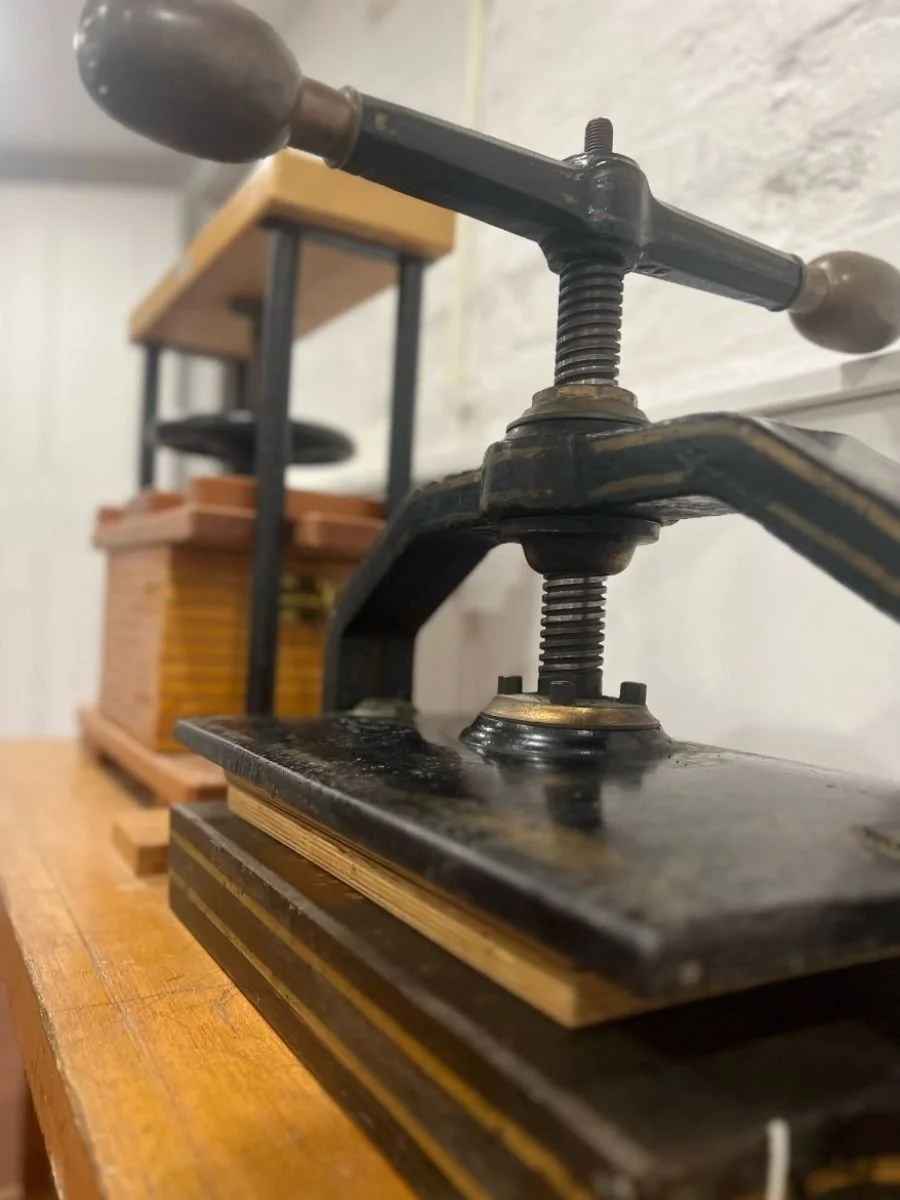
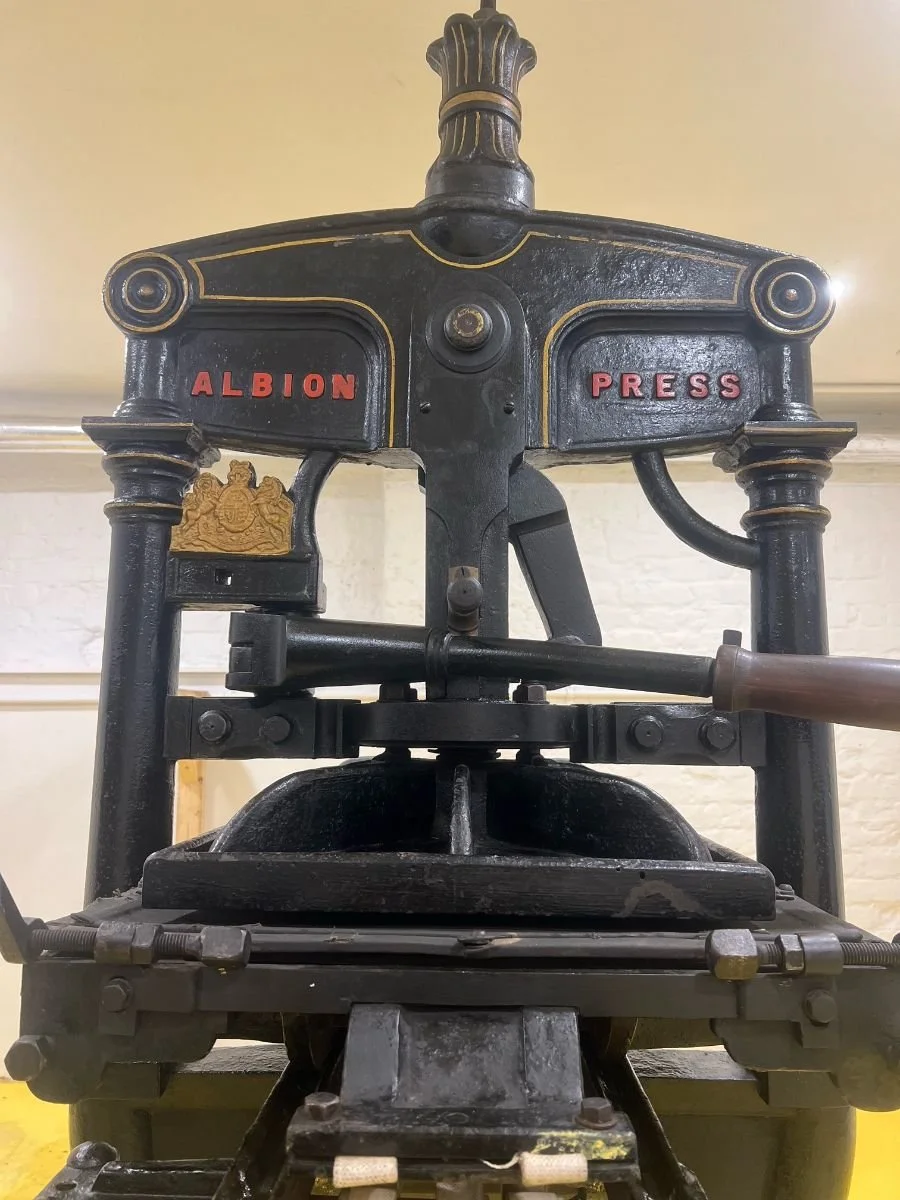
Bell House is thrilled to announce an exciting new addition that is sure to captivate enthusiasts of traditional craftsmanship and vintage printing techniques. Two of the rooms in the basement are being transformed into what is being named the ‘Bell House Print Room & Bindery’. A home to a treasure trove of vintage letterpress equipment and book-binding machinery, including an exquisite 1860s Albion printing press, donated by the Type Archive in Stockwell and a whole suite of book-binding equipment from Dulwich College.

Individually these elements are things of wonder but put together they will lift what we can do.

Simon Trewin and Tania Hurt-Newton are the people behind the Print Room & Bindery initiative. They are experts and enthusiasts of the heritage crafts of letter printing and book-binding. If you’ve not thought much about what’s involved in these ancient crafts, it's worth reflecting on these insights from Tania:

“It’s very physical; there’s no rushing; no instant results; it needs a lot of planning and concentration but it’s so very satisfying. It suits people of all interests because all it requires is some logical thinking and an idea which can be original or borrowed. The process of working things out opens the mind to further possibilities. So there’s something for everyone.”

The Print Room & Bindery will provide more space, allowing visitors to attend a taster session or two, experiencing the history and connection to the past, offered by this new project.

Whilst we are hugely excited about the possibilities offered by the Print Room & Bindery, there is still much work to do to make the space fit for purpose so that we can welcome our visitors to this new world of creativity. It won’t be too long before the Grand Opening is announced – we hope it can be used in some way during our Dyslexia Fair on Saturday 30th September.

Pay a visit to view the work-in-progress and marvel at the wonders of historic technology!


The Albion Press

Bell House and the Garage Press have recently acquired an 1860s Albion printing press which was donated by the Type Archive in Stockwell.

The Albion Press is truly an object of wonder, which may even have a connection to the the local area. It was originally owned, by William Clowes and Co. who secured a contract to print the original catalogues for the Great Exhibition in Hyde Park. The company subsequently produced new catalogues once the exhibition moved to Crystal Palace. 

It may well be that Bell House’s Albion was part of that great endeavour - in which case it is even nicer to welcome it back to South East London!

People have also been asked whether Thomas Wright, the first owner of Bell House and a man who made his fortune from paper and print, would have recognised an Albion Press. The truth is that the Albion was created after Wright’s time a century earlier, but there's little doubt that he would have recognised many design elements and certainly all of the processes. As would the father of modern printing – Mr Gutenberg himself.

The Albion is undoubtedly a beautifully ornate machine that can, with minimal effort, print onto fabric, paper and probably wood. The process is simple and wonderfully satisfying. 

This latest addition to Bell House now needs a name! The Garage Press already has an 1880's Cropper 'Arab' Treadle Press named Gloria - we are welcoming name suggestions for our newly-arrived Albion press!